Food. Drink. Fun.
advertisement

stories: The Ten

10 Tips for a Healthy Diet

Help along your New Year’s resolution

By Lessley Anderson

Drink More Water
Drink More Water

Color Equals Nutrition

Color Equals Nutrition

Keep a Food Journal

Keep a Food Journal

Sauté with Garlic

Sauté with Garlic

If, like almost half the population, you promised yourself that you’d improve your diet as part of your New Year’s resolutions, here are 10 things you may not have thought of that can help. We’re not saying you have to do all of them. After all, studies have shown that feelings of pleasure (like from eating a chocolate chip cookie) have a positive effect on your physical and emotional well-being, too.

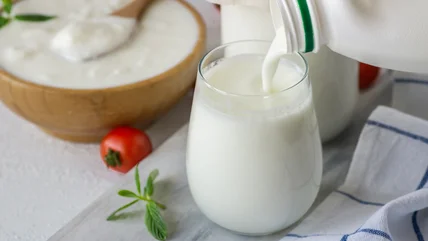
1. Drink More Water. If water were a food, it would be a superfood. It helps digestion, promotes clear skin, acts as an appetite suppressant, and even prevents heart disease, among many other benefits. Some research has even shown that drinking water can speed up metabolism and help you lose weight. Although the whole drink-eight-glasses-a-day advice is now thought to be a myth, it doesn’t hurt, and it’s better than drinking energy drinks or flavored waters that may contain lots of sweeteners. Stick to filtered tap, and cut it with naturally sweetened fruit juice if you get bored, or try low-calorie, unsweetened elixirs like this Green Herb Infusion. At work, keep a large pitcher of water at your desk, so you don’t have to keep getting up to refill your glass.

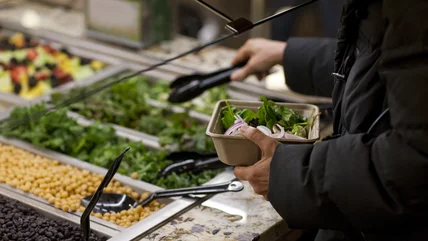
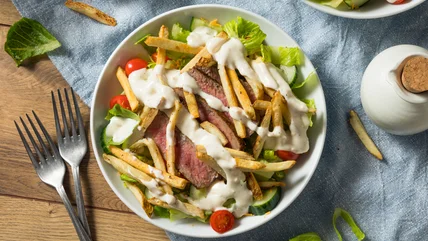
2. Create a Salad Bar in Your Fridge. Buy some produce on a Sunday and spend a half hour washing, chopping, and storing it in containers in your fridge (Mason jars look cool). Make enough salad dressing for the whole week. Then, before work, all you have to do is add salad greens and assemble for lunch. It’s OK to dress the salad in the morning if you refrigerate it when you get to work.

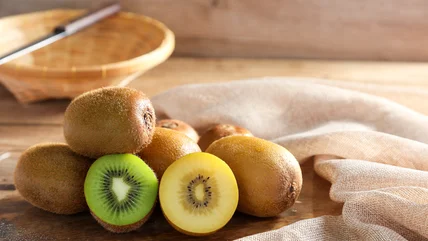
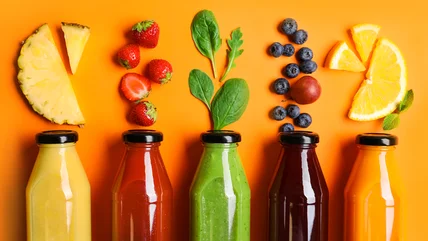
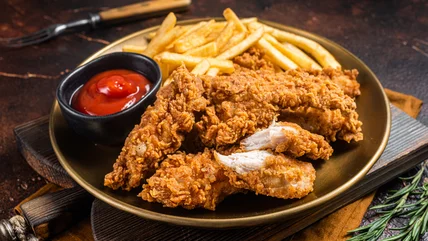
3. Remember, Color Equals Nutrition. It’s a good rule of thumb that the more colorful the food, the more healthy it is. For instance, squash, carrots, spinach, and kiwi are packed with vitamins, minerals, and antioxidants. White and beige foods like cheese, french fries, white rice, white flour, and white sugar should be eaten in moderation, because they’re either high in saturated or trans fats, or overly processed and lacking in nutritional value. Similarly, when you eat vegetables, leave the skins on if they’re more colorful than the interior (for example, zucchini and cucumber), because that’s where a lot of the vitamins are.

4. Keep a Food Journal. This serves as a powerful reality check for what you’re truly eating, not what you’d like to think you’re eating. In addition to detailing your diet, you can also write down what is going on in your life in case you fall off the healthy wagon. External stresses often cause us to seek comfort in food: “Divorce paperwork filed: Caramel latte and devil’s food cupcake, 4 p.m.” It’s easier to change behaviors if you first know what causes them.

5. Investigate Funky Grains. Put aside highly refined white pasta and white rice for a while in favor of nutritious brown rice, barley, kamut, spelt, millet, quinoa, farro, and buckwheat (which isn’t technically a grain, but don’t worry about that). You can cook and eat them just the way you would rice or pasta, or top them with fresh fruit as an oatmeal substitute. Cook a big pot over the weekend, keep it in the fridge, and throw a handful into your salad each day. Or try one of these CHOW recipes for Quinoa Salad or Farro Risotto with Asparagus and Fava Beans.

6. Ask, “Would I Eat an Apple?” Sometimes it’s hard to tell when you’ve crossed the line from nourishing yourself to overeating. That’s because it takes up to 15 minutes for your brain to receive signals from your digestive system that you’re full. Eating slowly can help (some people recommend using chopsticks), because that gives your brain time to catch up. Also, if you’re unsure, try asking yourself, “Would I eat an apple right now if one was offered to me?” If the answer is no, you’re eating just to eat, not because you’re still hungry.

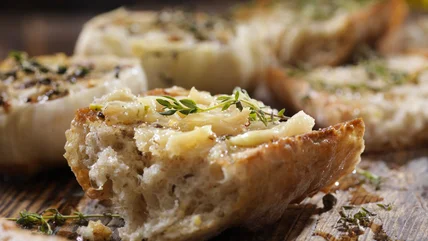
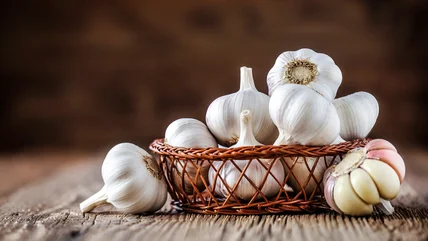
7. When in Doubt, Sauté with Garlic. You always hear about how you’re supposed to eat lots of vegetables, seasonal if possible. But often they sit around in your fridge and go bad because you don’t know what to do with them. In a pinch, just chop them up and sauté them with olive oil, garlic, and salt. This works for everything from bok choy to kale to Jerusalem artichokes. If it’s something hard, like broccoli stalks or butternut squash, simply cut the vegetable up really small.

8. Eat Breakfast in Bed. Many of us put meals at the bottom of our priority list, leaving us scarfing down a meal of frozen lasagne while multitasking on the computer, at best. Instead, try treating one of your daily meals, or a few meals a week, as a ritual whose purpose is to nourish both your body and your spirit. Think ahead a little, and schedule your day so you have the time to prepare and enjoy the ingredients you bought ahead of time. Appreciate the aromas as you prepare the food, as well as the beauty of fresh ingredients versus a frost-covered block that comes out of plastic.

9. Bag Half to Go. When eating out, bag half your meal to go before you even start. Most restaurant portions are too big, so either ask the server to split your order and put half in a to-go box at the beginning, or request a box and do it yourself. Then you won’t be tempted to dig into the second half while it’s sitting in front of you. And you’ll have leftovers for lunch the next day.

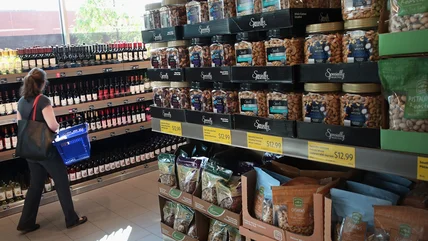
10. If It Has a Label, Don’t Eat It. Spend less time reading the fine print for calories and grams of fat by eating stuff that has no label. Whole fruits, vegetables, and bulk grains don’t have labels. Foods that haven’t been chopped up, chemically altered, and screwed around with in factories have no labels. Even that healthy energy bar you’re buying that costs $3 and the label says is made of dates and nuts—how about just buying some dates and nuts and saving yourself $2?

CHOW’s The Ten column appears every Tuesday.
Lessley Anderson is senior editor at CHOW.

Published January 16, 2009

Comments

Not to be contrarian, but white/beige foods like cauliflower, parsnips, chickpeas, cannellini beans, and millet are loaded with nutrition. Refined and starchy is what we want to avoid, but the "white is bad" tip could cause folks to avoid, say, a healthy white-bean purée that's filling, tasty, and loaded with fiber and vitamins.

A tip that has really helped me up my consumption of hearty greens like curly kale and collards is to wash, trim, and blanch enough for a few meals at once, then keep them in the fridge until I'm ready to use. It's so easy to quickly sauté some of this kale at the last minute to go with dinner, or add it to, say, leftover soup I'm reheating, and by blanching, the texture improves and much of the bitter flavor is eliminated. (Some of the nutrition is eliminated as well, but because they're much tastier when blanched, I end up eating 2-3 times as many greens as I would otherwise, which more than makes up for the blanching-related vitamin loss!)

I've found fitday.com to be pretty useful (and free) for tracking calories.

Luniz-I'm not much of a fitday fan. The main reason I stopped using it was because I can't use it on my iphone. Instead, I found one that I could use on my iphone. It's thecarrot.com which let's me track what I eat and my exercise...and alot more (like sleep, mood, tv time). I love that it tracks more than just food and exercise, so I can see what my triggers are for overeating (my mood is a biggie!).

nice, simple list. almost all of these tips are common sense, the easiest one for me is just, don't eat anything fried. simple rule.

Who is stupid enough, apb, to think that veggies and legumes are to be included in the "no white food" rule? Whoever is probably deserves type 2 diabetes.

Great advice, but I have to say that in my experience, buying healthy fresh food (dates and nuts, for example), is just as expensive if not much more expensive than buying the more processed packaged food I used to rely on.

A lot of common sense and good advice wrapped up in PC speak.
Have 3 meals a day - mainly fresh food not processed.
Don't get pissed every day. Control or reduce alcohol. BAD for fatties.
Consider how to stop sitting and driving, and go for a walk or a bike ride every day (or if you must, pay $15 for the gym). (Anyone remember the humans in wall-e?)
Yes - WATER. NOT coke, not fruit juice, not diet drinks. Just water.

I was a fattie. Twice.
From a "normal" teen to a 40 year old fattie who decided to actually stop it right there. (95kg)
I am a chef. A drinker. A hard worker who skipped meals and ate garbage. A young guy without issues.
At 40 I lost 10 kilos over a year - NO DIET. Just a lifestyle change.
Then I stopped and began drinking and working hard, skipping meals. It took a year and a half to grow back to being a fattie. 105kg this time.
The last 12 months I have stopped that destructive regime, and without diets and suffering - now at 78kg and stabilising.

We ARE what we eat (and drink)

No apologies for offending people who hate the word "fattie" - I didn't like it either. And what I hated even more was knowing that they were right. I DID have the power to change myself - I was just too lazy and pigheaded to take the responsibility for the change.

Because of this, I really HATE diets, diet books, and processed food companies that busily process the fibre, goodness and benefit out of foods for unhealthy people - and then put nutrient and analysis charts on the box to make people with fitday and iphones think that it is almost as good as just buying fresh nuts and dates. LOL

(BTW - As a chef, I always knew these things too. But we still listen to Doctors, journalists, sales people and Big Corporations to tell us how to spend our money and control our lives, rather than just developing a balanced life and diet)

Peace. :-)

Eat meat and green leafy things. That's why they find skeletons of cavemen with all their teeth.

Great suggestions! If you're trying to lose weight or maintain weight loss it is important to always eat breakfast! It'll kickstart your metabolism and help you not overeat later in the day! I found some good suggestions for healthy, delicious, fast breakfast on this video: http://www.youtube.com/watch?v=9fyfNL...

Thanks for thecarrot.com rec

I'd also like to add Green Tea which is a no brainer for some but I always forget about.
Iced, it is an amazing pick me up, plus its allegedly good for your metabolism and it makes you (in my experience) feel encouraged to go for more "green" food choices later in the day.

I found some great teas at homegrowntea.com. Tea is a great way to fill the stomach and suppress the appetite. I liked this site because the teas are made from real organic herbs. Anyway - hope it helps.

I have really found a gazillion ways to eat quinoa. It is very nutritious and a great way to lose weight. It contains all essential amino acids and is a complex carb so you feel full for a very long time. Because it's so high in protein it works as a terrific non-animal protein source and you can throw it in for super protein in salads, soups, chili, casseroles, desserts (mm... traditional rice pudding with a super healthy twist!)

What do you think?

You need to log in to post a comment.

About/Contact CHOW | Site Map | Newsletters | Mobile | Tags | Feedback | Site Talk | Chowhound : Guidelines : Manifesto : FAQ

Popular on CBS sites: SEC Football | NFL | Video Game Cheats | iPhone | Video Game Reviews | Notebooks | Antivirus Software

About CBS Interactive | Jobs | Advertise

© 2009 CBS Interactive Inc. All rights reserved. | Privacy Policy (UPDATED) | Terms of Use