stories:
Feature
![]() |
Jiffy RoastRoasting coffee is as easy as popping popcorn |
Imagine that you’ve been eating Wonder Bread your whole life. And then one day somebody gives you a loaf of homemade, slow-risen, sourdough bread, fresh from the oven. Wait, scratch that. Somebody doesn’t give you the loaf—you make it yourself.
That is precisely the distance between your normal chain coffee experience and a cup of coffee made from freshly home-roasted, freshly ground beans. Every morning, I wake up, rummage through my cardboard box of green coffee beans, roast and cool them while I put my breakfast together, and then brew a fresh cup. It takes about 10 minutes, from green bean to hot coffee.
It’s also less expensive than buying fresh coffee. That’s because green coffee beans are cheap. I buy beans that would cost $17 to $20 from a professional roaster for $5.50 a pound, green. And they keep, unroasted, for a year.
Home coffee-roasting requires almost no equipment. You can buy a gadget-laden technological wonder for $200 or more. Or you can use a hot-air popcorn popper (I bought one at a thrift store for $3). The drawbacks: no automatic timer, no internal thermometer. But since the roasting process itself doesn’t take more than six minutes, paying attention to the sound, smell, and sight of roasting beans is easy—even mesmerizing.
The Beans
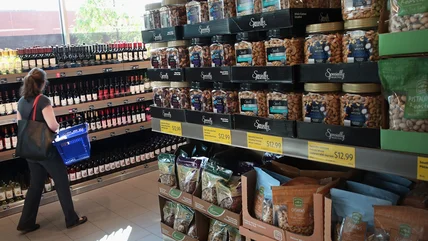
Many websites sell green beans, even Amazon. I buy my green beans from Sweet Maria’s. The site sells consistently high-quality product at a reasonable price; the proprietors are friendly, helpful, and passionate about coffee.
The Roaster
Among home coffee roasters, the West Bend Poppery II is a popular machine. It’s no longer made, but the popper is all over thrift stores and eBay. You can also roast coffee in a cast iron pan, but the pan-roasting method takes three times longer and requires constant shaking. And it’s easy to scorch the coffee.
If you’re looking for popcorn poppers in which to roast, buy one that has a solid bottom and air vents on the side. Some poppers have a mesh grate at the base; the beans’ chaff—the skin that breaks off of the coffee as it roasts—will get caught and plug up the popper.
(continued below)
Roast Guide
There are lots of terms that professional coffee roasters use, but I’ve come up with my own primitive classification. Here are the stages of coffee roasting.
Green: Naked, raw, primal bean.
Yellow: These babies haven’t even hit first crack yet.
Mottled: This is typically how the beans look around first crack. This is drinkable, though weird—it’s supersour and acidic, a little like drinking unsweetened lemon juice.
Cinnamon: This is a very, very light roast. The beans are now an even, beautiful, matte light brown. This really emphasizes the bright, high flavors of the beans. A Kenya AA grade roasted to cinnamon tastes more like mutant lemonade than like coffee.
Toasty: The beans are now nicely brown, but don’t look oily. The skin is still rough. This strikes a nice balance between acidic and earthy flavors. This roast level is lighter than the prevailing roasts in America. This is what I roast to most often.
Dark: The beans are brown, almost black, and splotches of oil show through on the skin. This is nice for very oily coffees, like Indonesian varieties.
Oily: The beans are black and covered with a sheen of oil. This is the range of those traditional French and Italian roasts, often called espresso roast. I don’t recommend roasting to oily in a home set-up: The smoke level is pretty tough to deal with, and you lose a lot of the flavor that superfresh coffee is good for.
Let me urge you to roast lighter than you’re used to. There are a lot of brilliant, high, shimmering flavors that fade very quickly from coffee. Most pro roasters won’t roast for these flavors; they’ll all be gone by the time the beans make it to market. But for you, the brave, adventurous home roaster, who will grind and consume this coffee in minutes, these flavors are all there.
The Process
1. Line up what you need: the popper, a big bowl to catch the chaff, a flashlight, a pair of oven mitts, and a colander. The end of the roast comes surprisingly fast; you want to be able to cool your coffee quickly, without having to fumble around for equipment.
2. Most popcorn poppers will say somewhere on the body or lid what the maximum capacity of the popper is. It’s likely to be between a third and a half cup of green coffee. Place the bowl under the mouth of the popper, and plug in or turn on your popper. As the beans roast, the skin will turn into dry, papery chaff and drift out of the popper into your bowl.
3. As the coffee roasts, steam builds up inside the beans. They will smell very vegetal and grassy. Somewhere between three and five minutes into the roast, you’ll hear lots of little cracks, like popcorn popping. This is called first crack.
4. Once first crack happens, turn on your flashlight and peer into the whirling coffee. Not only is this a hypnotic and beautiful experience; it’ll also let you watch the roast develop. It happens quickly—the difference between a light roast and a dark roast can be a matter of 40 or 50 seconds. Smoke will start to come off the beans. The smell will get roastier and roastier; the smoke will get heavier.
5. If you keep going, the beans will crack again. This is called second crack. The time between first and second crack varies from one minute to four minutes depending on the moisture/sugar content of the beans you have, the ambient humidity/temperature, and the mood of your popper. Almost all tasty roasts occur between first crack and second crack. If you catch the coffee soon after first crack, you’ll have a light roast that will emphasize citrus notes, wine notes, and other high, acidic flavors. If you catch the coffee close to second crack, you’ll have a dark, intense roast—this will emphasize low, warm, oily flavors.
6. You want to catch the coffee when it’s a little under the roast level you desire. It will keep roasting for a short while once you take it out of the popper. Don’t trust a timer too much; different varieties of beans roast in very different times, and beans from the same batch will roast in totally different times from one day to the next. I’ve had the same batch of beans take three minutes one day and six minutes the following day. Trust your senses. The beans always look the same, sound the same, and smell the same at a given roast level.
7. When you’ve hit the roast level you want, grab your oven mitts, turn off the popper, and carefully dump the beans into the colander. Be careful—the popper and the beans will be incredibly hot.
You have some control at this point. If you toss the beans briskly for one or two minutes near a breeze, they’ll cool and stop roasting almost immediately. If you leave the beans sitting in a heap in a corner, they’ll continue to roast in their own latent heat for the next five minutes or so.
8. Grind and drink.
Troubleshooting
If your coffee comes out very unevenly cooked—some beans still green or barely cinnamon, some burned—you’re probably overloading your popcorn popper. Next time, try a tablespoon or so less of beans.
If your coffee comes out burned or undercooked, try again—but remember that the timing is inconsistent from day to day. Don’t rely on a timer; rely on your senses. Listen for crackling; smell for smoke and roast smells. Soon your instincts will take over and you’ll know exactly when to take the beans off, without even having to think about it.
Photographs by Sarah Lennon


Home roasting is the bomb. The best coffee I've ever consumed came out of my buddy's air popper. A few (unmentioned) tips:
1. Roast outside. The smoke is pretty acrid, and good coffee doesn't make up for a stinky house.
2. I like to roast with the lid off and shake the popper before the first crack. The beans are still pretty heavy at this point, and may tend to burn if left sitting at the bottom of the popper. Swirling at this stage gives a more even roast.
3. Listen to your beanmonger. Sweet Maria's always lists a recommended roast level with the beans they sell. Those guys are true gurus, and their advice is always spot on.
4. Drink it black, at least once. This coffee is so good, you may never go back to cream and sugar. Even if you don't agree, tasting the coffee black will help you develop a sense for how roasting affects flavor.
I've got my own roasting memoir here:
http://www.ntscblog.com/2006/09/give-...
i lived near a coffee roasting plant for 15 yrs
(new england coffee co) for those who may not have heard of them
they are the people that do NEWMAN'S ORGANIC for mc donalds anyway
for a 1/4 of a mile away on a day without a strong breeze all you could smell was the scent of burnt toast btw N.E. COFFEE is yucky
The popcorn popper method made sense for people really trying to save a few bucks. And I know some people swear by them for the quality.
But there are plenty of devices out there now that add extra helpful features like chaff collectors, timers, etc., and yet still cost under $100. (e.g,, I've been using a Fresh Roast Plus for five years with no troubles).
While the freshness of my home roasts can't be beat -- even compared with the roaster who date-stamps their coffee down the block from me -- convenience is still the biggest hurdle. Who has time for an oil change anymore? So for most people, it's worth planning on something simple and low-maintenance.
Because if you're into home roasting to save a few bucks, you will quickly find out it's not worth the extra hassle. You have to be in it for the freshness.
well said Swag
I can't thank you enough for the wonderful and very complete article you've written. Ever since I was five years old, when my mother made-up a cup of half warm milk and half coffee for me each morning, I've loved my morning, noon, and evening cup..a. Now, for the first time, I can go ahead and roast my own at home to a desired doneness that heretofore would have been, at least as far as I knew, impossible. Thanks again.
A friend of mine recently turned me onto roasting my own coffee beans and wow - what a revelation. The coffee produced has a very distinct, fresh flavor. I'll still playing with the roasting times and the level of roasting (typically prefer a french or italian roast) but have yet to produce an undrinkable bean. A few tips to note - as others have said - DO THIS OUTSIDE - otherwise you'll have a stench in your house for days - roasting coffee beans DOES NOT smell like a pot of coffee brewing!; - Replace the lid of the popcorn popper with a glass hurricane lamp - it allows for good airflow through the hurricane lamp - allows for good visability of the roasting process and eliminates beans from popping out of the popper - Allow the beans to sit for about a day prior to grinding and consumming.
Try this - I think you'll find it very easy and you get a rewarding cup of java in the process!
THANKS A LOT, C. Thi Nguyen!!!, for making my life a lot more complicated!!! (LOL). I read your "HOW-TO" and have bought a popcorn popper and green beans. Googled the subject and read numerous posts about what poppers to use, roasting and even altering the poppers. By adding reostats and transformers and connecting thermostats to an old PC so you can make your popper programmable (Oy Vai) some people.
And although I'm new at this my first attempts have produced better tasting coffee. But I'm faced with the fact that a popcorn popper is limiting. Simply because it's on or off and without altering it you can't hold the temperature at a given degree to insure he bean is roasted evenly all the way through before it gets too dark. So now to alter or not to alter, or spend $180.00 on a high end air flow programmable unit? Or should I spend $350.00 on a low end drum roaster (better flavor yet) or $950.00 on a higher end drum roaster? Or even make my own drum roaster out of a Ronco Showtime Rotisserie or a rotisserie gas barbecue (Oy Vai) now I'm "some people".
Again I say "THANKS A LOT C. Thi Nguyen!!!" I wish I never saw your post (LOL). And thank you for a great "HOW-TO" and making my coffee taste better.
PS...And don't forget about degassing your beans.
PPS... I have also chilled heavy aluminum pans in the freezer and taken them out and used them to quickly cool the beans.
Good how -to in Pendergrast's Uncommon Grounds. Good book overall. Has sources for high end green beans...