/

Adobong Na Manok Recipe

Makes: 4 to 6 servings

The first thought that comes to mind when I hear the word adobo is the delicious Mexican stew of meat cooked in wine. Adobo, however, is not specific to Mexico. Filipinos have a dish by the same name, although it is most often referred to by its (possibly adapted) name, adobong. While Filipino food has been largely influenced by Spanish, Spanish colonial, and, to a lesser extent, Chinese cooking cultures, Filipino cooks believe that adobong originated with them. Arguably the national dish of the Philippines, adobong also refers to the entire style of cooking in vinegar and is made with seafood and vegetables as well as meat. Regardless of the specific national origin of the technique, adobong cooking probably had its roots in necessity. Cooking in vinegar is a way of preserving food because it inhibits bacterial growth, allowing food to be stored at room temperature.

Peeling the garlic and ginger cloves is optional.

INGREDIENTS
  • 1 tablespoon vegetable oil
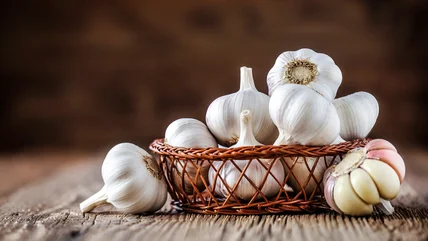
  • 1 large head of garlic, cloves crushed
  • 2 ounces fresh ginger, thinly sliced lengthwise
  • 6 chicken legs (1 1/2 to 2 pounds), separated at the joint, thighs and drumsticks halved through the bone crosswise
  • 1/2 cup coconut vinegar or Chinese white rice vinegar
  • 1/4 cup Chinese light soy sauce
  • 5 scallions, root and dark green ends trimmed, and 6-inch stalks cut into 1-inch-long pieces
  • 1 tablespoon black peppercorns
  • 2 fresh bay leaves
INSTRUCTIONS
  1. Heat the oil in a large clay or heavy-bottomed pot over medium-high heat. Stir-fry the garlic and ginger until fragrant and golden, about 5 minutes. Add the chicken, vinegar, soy sauce, scallions, peppercorns, bay leaves, and 1/4 cup water, reduce the heat to medium-low, and simmer until the chicken is fork-tender and the juices have reduced by half, about an hour. You can serve the chicken over rice with a sautéed vegetable on the side now, or refrigerate it overnight.
  2. Take the adobong out of the refrigerator and allow to come to room temperature. Place the pot, uncovered, over medium heat and, stirring occasionally, reheat the stew until a little more of the juices have evaporated. The more the juices evaporate, the more the fat surfaces and crisps the chicken pieces, making them very delicious.

Variation: You can make this with a whole 2 1/2 pound chicken. This is what I call “family style” adobong. Remove the legs from the chicken, and split them at the joint. Chop the drumsticks and thighs in half through the bone. (Use a cleaver to do this, but if you are uncomfortable using a cleaver for chopping, slice the pieces in half lengthwise so some of the halves retain the bone, while the others are bone-free.) Separate the back from the breast side of the chicken. Use kitchen shears or a cleaver. Quarter the backbone. Separate the wings from the breast at the joint, and discard the tips. Halve the breast through the bone, then quarter each half through the bone crosswise. Enjoy, but be very careful of the small bones.

Beverage pairing: Leinenkugel’s Sunset Wheat, USA. The fact that the chicken is cooked in vinegar makes the dish a challenge with wine, since acetic acid (vinegar) is something winemakers stringently avoid. The hint of acetic, however, tastes great with a spicy, bright, citric wheat beer such as this one from Wisconsin.

This recipe, while from a trusted source, may not have been tested by the CHOW food team.
Simon & Schuster

    Write a review | 20 Reviews
POST A COMMENT |20 Comments

COMMENT

  • Very nice recipe of adobo. I love it!

  • Chicken legs are best for adobo. As a 1st. generation filipino growing up in Hawaii we added pineapple as a sweet counterpoint to the vinegar.

    4 ea. chicken drumstick & thighs slightly scored
    1 med. head of garlic - peeled, crushed, & coarsely chopped
    1 - 20oz. can pineapple chunks, drained & reserving juice
    1c. apple cider vinegar
    .5c. soy sauce
    1t. dried oregano
    Kosher salt to taste
    3 bay...+READ

    Chicken legs are best for adobo. As a 1st. generation filipino growing up in Hawaii we added pineapple as a sweet counterpoint to the vinegar.

    4 ea. chicken drumstick & thighs slightly scored
    1 med. head of garlic - peeled, crushed, & coarsely chopped
    1 - 20oz. can pineapple chunks, drained & reserving juice
    1c. apple cider vinegar
    .5c. soy sauce
    1t. dried oregano
    Kosher salt to taste
    3 bay leaves
    1T.whole peppercorns

    In a heavy gauged pot heat 1T. of oil & brown chicken to render fat from the skin.Transfer browned chicken to plate and pour out excessive fat & oil. Add garlic to pot & sautee lightly. Return chicken to pot then add pineapple juice, soy, & vinegar to deglaze. Sprinkle salt, oregano, bay, leaves, and peppercorns over chicken mixture. Lastly add pineapple chunks. Bring to a boil, reduce heat to medium, and partially cover. Turn chicken after 20 minutes and cook additional 20 mins. Avoid aggressive stirring to not break apart the chicken. Cook to internal temp of 175 then increase heat to medium high to reduce the sauce to a syrupy consistency. Serve with steamed jasmine rice.-COLLAPSE

  • if i'm not mistaken, it's more commonly called Adobong Manok, Adobong ng manok sounds weird..haha

    Here's another version:
    http://www.kumain.com/index.php?p=show&id=9

  • I think my mom adds a wee bit of sugar and lots of garlic to her adobo

  • and i forgot..... we eat it with rice! :-D

  • actually....you can also add boiled eggs or bananas...its really yummy.......and its called adobong manok not adobong ng manok..its reaaaalllyy wrong grammar... and if you say adobo ng manok it means the chicken's adobo..so its also wrong unless if the chicken can cook adobo...:-D

  • My husband's great-grandfather's adobo uses ginger and a small can of tomato sauce (probably a Mexican influence, since he married a Mexican lady). I mentioned adobo without ginger to my husband, and he was aghast. I guess adobo is one of those dishes - show me 100 Filipinos, and they'll show me 100 different adobo recipes. Being a white girl, every variation I've had is good, and I'm not about...+READ

    My husband's great-grandfather's adobo uses ginger and a small can of tomato sauce (probably a Mexican influence, since he married a Mexican lady). I mentioned adobo without ginger to my husband, and he was aghast. I guess adobo is one of those dishes - show me 100 Filipinos, and they'll show me 100 different adobo recipes. Being a white girl, every variation I've had is good, and I'm not about to judge on what's authentic or traditional.-COLLAPSE

  • Oops, I forgot to talk about vinegar. My family always used Heinz white vinegar, even when Filipino vinegars were coming into US Asian markets -- it probably has to do with the long American colonial influence in foodways (see vinegar discussion in the wonderful Memories of Philippine Kitchens book). Now I use Datu Puti cane vinegar, found in the Asian aisle and in Asian markets. The rule in...+READ

    Oops, I forgot to talk about vinegar. My family always used Heinz white vinegar, even when Filipino vinegars were coming into US Asian markets -- it probably has to do with the long American colonial influence in foodways (see vinegar discussion in the wonderful Memories of Philippine Kitchens book). Now I use Datu Puti cane vinegar, found in the Asian aisle and in Asian markets. The rule in adobo is always 1/2 cup per chicken, or per about 2 lbs of pork.-COLLAPSE

  • I've had adobo made in almost every regional style, but like raptor, I have never had it with green onions or ginger. My family ran a Filipino restaurant in California for 50+ years and my grandfather (lolo) was famous for his Visayan style adobo (central Philippines).

    In our family adobo, we don't add any soy sauce. Start with a whole chicken for the best flavor, cut in pieces. We use a head...+READ

    I've had adobo made in almost every regional style, but like raptor, I have never had it with green onions or ginger. My family ran a Filipino restaurant in California for 50+ years and my grandfather (lolo) was famous for his Visayan style adobo (central Philippines).

    In our family adobo, we don't add any soy sauce. Start with a whole chicken for the best flavor, cut in pieces. We use a head of peeled and crushed garlic, about three bay leaves, tablespoon or more of salt to taste, a sprinkling of black peppercorns, pickling spice (about a teaspoon, placed in a tea ball so as to not clutter up the sauce). For even more regional authenticity, add about a teaspoon of achuete (annato) water or oil for redness. Paprika is fine for a substitute, and my family uses it more often than the more authentic achuete (because we came to the US many generations ago, before achuete/annato was readily available).

    So why no soy? Many Philippine food historians view the addition of soy sauce to traditional adobo as a Chinese influence, and also as a shortcut (the soy adds color and flavor that long, slow braising should give). And my father, a Visayan traditionalist, scorned adobo cooked with soy sauce -- he said soy is a Chinese import, and the tradition of preserving food with spices, salt, peppers, garlic and vinegar the correct way to adobo anything. Soy sauce in adobo, in his eyes, is heresy. But there are other Filipinos who think of adobo without soy just as heretical. So there. 7,000 islands, 7,000+ adobos. Enjoy!-COLLAPSE

  • I agree with Workalot. I have been making adobo for many years, as did my mom, and I have never heard of putting ginger or scallions in adobo, nor have I ever heard of using beef. Then again, there are many different regions in the Philippines, which can mean many different styles of cooking Adobo.

  • All those additions sounds interesting. Some I wouldn't do and some would consider. Try adding a tablespoon full of hoisin sauce to standard adobo. Also try a can of coconut cream in there with the addition of more salt and pepper. I'm not sure I would use beef for adobo but you can probably adobo a sneaker and it would taste good (kidding). I prefer, chicken, pork, squid, & rabbit. Yes rabbit....+READ

    All those additions sounds interesting. Some I wouldn't do and some would consider. Try adding a tablespoon full of hoisin sauce to standard adobo. Also try a can of coconut cream in there with the addition of more salt and pepper. I'm not sure I would use beef for adobo but you can probably adobo a sneaker and it would taste good (kidding). I prefer, chicken, pork, squid, & rabbit. Yes rabbit. It tastes like chicken.-COLLAPSE

  • I'm half Filipino and have a huge extended family on my Filipino mom's side. As everyone knew that adobo was my caucasion dad's favorite filipino dish, all my relatives made sure that adobo was at every party, picnic, get together, etc. Between my family and Filipino friends offering this dish over the years, I've had adobo thousands of times. Everyone alters the ratio of the ingredients to fit...+READ

    I'm half Filipino and have a huge extended family on my Filipino mom's side. As everyone knew that adobo was my caucasion dad's favorite filipino dish, all my relatives made sure that adobo was at every party, picnic, get together, etc. Between my family and Filipino friends offering this dish over the years, I've had adobo thousands of times. Everyone alters the ratio of the ingredients to fit their palate, but never had I ever been served adobo with ginger or green onion???? To each his own, I guess, BUT...

    Ginger in adobo sounds like using dill in spaghetti sauce...BIZARRO.-COLLAPSE

  • Ah, a dish from ma yutes! Try adding some bitter melon, cubed squash, aubergine, jalapeno and/or tomatoes. I find that the sauce resulting from the broth of the lean meat (pork, chicken, whatever) and these vegetables is divine, syrupy and not overly salty if less soy sauce is used. The vinegar really focuses the flavor, and may or may not have played a preservative role (it's hard to imagine...+READ

    Ah, a dish from ma yutes! Try adding some bitter melon, cubed squash, aubergine, jalapeno and/or tomatoes. I find that the sauce resulting from the broth of the lean meat (pork, chicken, whatever) and these vegetables is divine, syrupy and not overly salty if less soy sauce is used. The vinegar really focuses the flavor, and may or may not have played a preservative role (it's hard to imagine anything keeping soley as a result of this small quantity of vinegar,). I agree with Byng27, plain ol' white vinegar is best. If you want the dish hotter, add the piquancy cleanly with fresh peppers. Coconut pepper vinegar? Not for me. Thanks for posting one of my favorites!-COLLAPSE

  • My dad's a Filipino and he normally cooked Adobo as one of the main dish at home..... which us kids ended up knowing how make it too. True you can make either chicken, pork or beef Adobo... you guys forgot to add a bit of sugar to your ingredients, plus you don't have to use coconut vinegar to cook Adobo... as long as you got white vinegar, it will be fine.... besides in the philippines we...+READ

    My dad's a Filipino and he normally cooked Adobo as one of the main dish at home..... which us kids ended up knowing how make it too. True you can make either chicken, pork or beef Adobo... you guys forgot to add a bit of sugar to your ingredients, plus you don't have to use coconut vinegar to cook Adobo... as long as you got white vinegar, it will be fine.... besides in the philippines we normally use cane vinegar and not coconut vinegar since coconut vinegar is only popolar in the Visayas region coz of the alcoholic drink Tuba where you can make the coconut vinegar. Sorry, just being nosey....-COLLAPSE

  • Leave out the ginger and use dark soy! I learned to love this when I was in the Navy and worked with many Filipinos.

    I like to use a mixture of both pork and chicken.

  • ginger in adobo? beef adobo? whaaaaaaat??????

  • Oongayae: "Adobong manok" in Tagalog is a shotened version of "adobo ng manok." The "ng" in this case means "of" as in "adobo [made] of chicken".

  • Actually, ADOBO is really the word Filipino's call this dish. ADOBONG refers to a conjunctionary word - meaning NG, in tagalog is a connecting word referring to what kind of adobo it is. ADOBONG MANOK is chicken adobo, ADOBONG BAKA is beef adobo, ADOBONG BABOY is pork adobo. But genereally, it is called ADOBO, without the NG in the end, if not referring to any kind of meat or style of cooking....+READ

    Actually, ADOBO is really the word Filipino's call this dish. ADOBONG refers to a conjunctionary word - meaning NG, in tagalog is a connecting word referring to what kind of adobo it is. ADOBONG MANOK is chicken adobo, ADOBONG BAKA is beef adobo, ADOBONG BABOY is pork adobo. But genereally, it is called ADOBO, without the NG in the end, if not referring to any kind of meat or style of cooking. Sounds like a great recipe though...-COLLAPSE

  • I haven't tried this yet, but is the proportion of vinegar to soy sauce right? I've looked at a few other adobog manok recipes and they always seem to have more soy sauce to vinegar.

  • sounds about right. one can also substitute beef or pork in this recipe or mix them together. old school filipino grandmothers (lolas) have been known to thrown in chicken or beef liver. if you want to decrease the meat, add some peeled and cubed potatoes. for an extra punch, use the spicy coconut vinegar (it's the one with all the small hot peppers, garlic, and onions). btw, adobo is so much...+READ

    sounds about right. one can also substitute beef or pork in this recipe or mix them together. old school filipino grandmothers (lolas) have been known to thrown in chicken or beef liver. if you want to decrease the meat, add some peeled and cubed potatoes. for an extra punch, use the spicy coconut vinegar (it's the one with all the small hot peppers, garlic, and onions). btw, adobo is so much better the day after and served on steaming hot jasmine rice.-COLLAPSE