DIY or Buy? Urban Homesteaders Weigh the Costs

Whenever a friend starts developing an interest in urban homesteading—canning, pickling, and otherwise preserving foods at home—I always dread the inevitable moment when I'll puncture her Little House on the Prairie dreams. It's all good as long as we're talking about how great our home-pickled green beans taste in Bloody Marys. Then comes the deflatable moment.

"And I'll save so much money!" my starry-eyed friend declares. Um, probably not.

"Sometimes you do and sometimes you don't," says DIY goddess Karen Solomon, author of Jam It, Pickle It, Cure It, and Can It, Bottle It, Smoke It. "When you make your own food, you can absolutely save money. Or you can be making jerky out of grass-fed beef, and spend much more than buying something at the grocery store."

"Some things can be made cheaply at home and some things can't," agrees Jennifer Reese, author of the new book Make the Bread, Buy the Butter: What You Should and Shouldn't Cook from Scratch, which details her years of homesteading in the San Francisco Bay Area. With a combined experience that encompasses just about every type of DIY food project imaginable (growing, curing, canning, smoking, cheese-making, even animal slaughter), these are the foodstuffs Reese and Solomon advise producing at home—and those they don't. If you must take on the most difficult kitchen projects, they both say, do it for fun and for flavor, not to save money or time.

MAKE

• Baked goods: Reese grew sick of supplying her family with all the bread they go through in a week; Solomon admits to buying bread, too. But muffins, scones, brownies: Bake, don't buy. Reese's recipe for maple nut scones prices out at 18 cents an ounce; a comparable Starbucks scone is 39 cents an ounce.

• Chicken stock: "Tastes so much better if you make it," says Solomon, while Reese decries the messiness of the process but reluctantly makes her own, at a cost of 25 cents a cup versus 75 cents for store-bought. Besides, nobody wants to waste perfectly good chicken carcasses.

• Vanilla extract: "A vanilla bean or two, a little bit of booze, and a jar," says Solomon. Reese agrees, buying beans in bulk online and making her own for 58 cents an ounce; McCormick's costs $4.42.

• Hot dog buns: At 17 cents a bun, cheaper than store-bought (37 cents to 55 cents per bun) and "so much better homemade," says Reese.

• Mayonnaise: "It's just an egg, a squeeze of lemon, and some oil," says Solomon. Reese agrees, provided you have the time to mess with it. Her homemade mayo prices out at $1.51 a batch versus a jar of mayo for $1.75.

• Cucumber pickles: "In the height of summer Kirby cukes are at the farmers' market for 50 cents a pound; that's enough for a couple of pints of pickles," says Solomon, comparing her cheap-and-delicious ones to inferior jarred specimens at $1.25 and up. Reese agrees, pricing her homemade pickles at $2 a quart. A jar from Vlasic is almost $6.

BUY

• Chicken and eggs: "We love our chickens but they're pets," says Reese, who's spent so much on her hens (including a $3,000 fence to protect the birds from dogs) that at one point she was paying $2.12 per egg. That's a horrifying $25.44 a dozen, when even the best farmers' market eggs don't usually top $9. Reese also says she didn't see much of a difference in her eggs and other farmers' market eggs. "Not worth it, except we do love the chickens," sums up Reese, who slaughtered just one chicken, an adventure detailed in her book. The meat of the pastured Arlene was $2 per pound, quite the bargain when compared with organic birds costing $4.79 per pound. "Alas, our backyard chicken was bony and sinewy with stringy, chocolate-colored flesh," writes Reese.

• Hamburger buns: They're not like hot dog buns, Reese explains. Hamburgers ooze juice, and the buns are rather hard to make. Buy 'em.

• Honey: "Interesting in terms of it being a science experiment, but ridiculous in terms of cost," says Reese, who spent about $1,200 on her bee setup that yielded three gallons of honey, or $1.56 per ounce. Even the fancy organic honey I buy costs 80 cents an ounce. And, as Reese points out, "How much honey can you eat, really?" She still has gallons stored in gigantic Mason jars in the house, and "the honey was just decent."

• Goat milk: In the book, Reese estimates she spent $1,600 on her goats. "Goats are wonderful, but if it's just their milk you're after, buy it," she writes. "We're never going to get enough milk out of them to make it worth it."

• Potato chips: Cheaper if homemade—40 cents an ounce versus 60 cents for Lay's—but "you don't get as good results at home as the chip companies do," Reese warns.

• Miso: "I have a recipe in one of my books for the yellow miso, but that is a lot of hours of boiling and straining and then you have to wait for months," says Solomon. "Even for me, that's not really worth it."

DEBATABLE

• Jam: There is no way your homemade jam with organic fruit is going to be cheaper than Smucker's. It will taste better. It will be fun to make. But it will not be cheap. "If you have free fruit, by all means make jam," says Reese, while Solomon advises looking out for bumper garden crops, friendly neighbors with overflowing fruit trees, and bargains at farmers' markets. She makes her own.

• Lemonade: Homemade tastes so much better. But unless you have a lemon tree in your yard, it costs two to four times as much to make lemonade as to buy it, according to Reese.

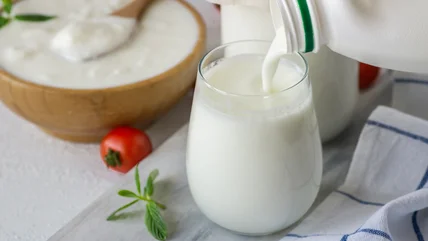
• Yogurt: Reese makes her own and finds it tastes good and prices well compared to good store-bought, about $1.75 a quart compared with about $4. Solomon dislikes making yogurt and says it needs a lot of babysitting and turns out kind of thin. "And if you strain it, it turns into a tiny amount of yogurt," she says.

• Ketchup: Solomon likes the taste of her homemade. "I made a bunch of different ketchups and had a party to taste them," says Reese. "And no one liked any of the homemade ketchups. People like the taste of Heinz and anything else is just confusing. And it's cheap. Buy ketchup."

• Bacon: Buy the cheapest pork belly you can find and your homemade bacon costs $3.50 a pound, even without taking into account hours of smoking and the amount of space a slab of belly takes up in the refrigerator. In contrast, cheap supermarket bacon is about $5 a pound. Nonetheless, Solomon still makes her own bacon regularly, using the best meat she can afford and smoking it in her backyard grill. "Expensive and worth it," she says.

• Butter: So easy and fun to make at home! But if you make it with store-bought cream for $3.39 a pint, you will end up with an amount of butter you could buy for $1.75, writes Reese. In addition, Solomon says, homemade butter has variable water content, so you can't really trust it for baking.

• Pizza: "I love making pizza, but the best crust requires 24 hours' advance notice, and for $15 I can get an amazing pizza," says Solomon. Reese says the cost of homemade pizza is about half of one from a delivery joint and tastes wonderful. Still, she makes it only "sometimes."

Image source: Flickr member Martin de Witte under Creative Commons

POST A COMMENT |19 Comments

COMMENT

  • tastesgoodwhatisit: I completely agree with your assessment. If you really want to save money preserving food, get ready to spend days and days preserving your cheap bumper crops every single year. Having canned my grandmother's garden produce and spent hot Florida summer days over a steaming pot, I don't find canning quite as charming as some. But you're right, without a doubt growing your own...+READ

    tastesgoodwhatisit: I completely agree with your assessment. If you really want to save money preserving food, get ready to spend days and days preserving your cheap bumper crops every single year. Having canned my grandmother's garden produce and spent hot Florida summer days over a steaming pot, I don't find canning quite as charming as some. But you're right, without a doubt growing your own produce and canning each year brings your overall costs down sharply.

    Granola: Truthfully I find I don't save if I make my own granola! Mine prices out just a scoche cheaper than my fave supermarket brand (Bear Naked), probably because I don't stint on nuts. Man it's good though. I haven't tried making crackers -- do you have a recipe you recommend? I'd love to try it!-COLLAPSE

  • To all readers who think Reese's costs are overstated: She lives in a house in Marin; costs for everything are higher in the Bay Area. Everything! Also, Reese went ahead and put up a nice redwood fence rather than a cheapie, she figured if she was putting it up, might as well build it to last. I'm happy to clarify other costs, if anyone is confused (I am the author, Joyce Slaton).

  • jkam: You're exactly right, Reese and Solomon both prefer to let the dough rise for 24 hours before baking. I have made pizza and I must say, the dough does have a lot more flavor if you let it rise slowly. But I never make pizza anymore because I agree with Solomon: that's a lot of work for something that costs $15 at the pizza place up the street. And premade pizza dough never tastes great in...+READ

    jkam: You're exactly right, Reese and Solomon both prefer to let the dough rise for 24 hours before baking. I have made pizza and I must say, the dough does have a lot more flavor if you let it rise slowly. But I never make pizza anymore because I agree with Solomon: that's a lot of work for something that costs $15 at the pizza place up the street. And premade pizza dough never tastes great in my opinion.-COLLAPSE

  • Pizza crust needing 24 hours notice? Only if you are into the fool/bigna starter hype. Mix yeast, flour, water and olive oil; let rest 15 minutes; roll out; put in pan; top bake -- or
    buy premade pizza dough
    Methinks you don't like cleaning up the flour from the counter.

  • Traditional homesteaders get good at the essentials and BUY those items which they don't have the expertise to make themselves. Many become expert at a few specialty items and sell their overstock. Homesteading is about independence -- not getting the best deal on goods. (Btw, does the author know there are relatively inexpensive yogurt machines out there? Tofu makers too.)

  • Anyone interested in DIY should read other articles and not take this as gospel. MUCH of this is just plan hooey in my opinion. Many questionable and subjective outcomes from her experiments. A $3,000 fence for her "pet" chickens, so don't bother raising them for eggs. Really? Really? And I'm sorry, but neither yogurt nor stock are as time consuming and "messy" as she claims. Nor does pizza...+READ

    Anyone interested in DIY should read other articles and not take this as gospel. MUCH of this is just plan hooey in my opinion. Many questionable and subjective outcomes from her experiments. A $3,000 fence for her "pet" chickens, so don't bother raising them for eggs. Really? Really? And I'm sorry, but neither yogurt nor stock are as time consuming and "messy" as she claims. Nor does pizza require 24 hour notice: make extra dough and FREEZE it! And another note (then I promise I'll stop): getting set up with bees DOES NOT on average cost $1,200. That is ridiculous and should not dissuade readers. Urban does not have to mean over-priced.-COLLAPSE

  • A lot of this depends on where you live, what you can grow, and what you can find at the farmers market, if you even have a farmer's market. Note that it says "urban homesteaders", so if you have more than about a quarter or half acre of land, they probably aren't talking about your situation. This is more like a 5,000 or 10,000 square foot lot, or in some cases for people who don't even have a...+READ

    A lot of this depends on where you live, what you can grow, and what you can find at the farmers market, if you even have a farmer's market. Note that it says "urban homesteaders", so if you have more than about a quarter or half acre of land, they probably aren't talking about your situation. This is more like a 5,000 or 10,000 square foot lot, or in some cases for people who don't even have a yard at all. It at least gives you a starting point for figuring out what is worth it for different situations.-COLLAPSE

  • hummos * baba ganouge -especially if you have a lemon tree
    salad dressings. these are easily customized to personal taste & health needs. prepared ones are expensive.
    pesto- grow or buy basil at its lowest price. puree with garlic & part of the oil. freeze in small containers. add more oil, cheese and nuts at serving time. pine nuts have gotten very expensive. unless you have a personal source,...+READ

    hummos * baba ganouge -especially if you have a lemon tree
    salad dressings. these are easily customized to personal taste & health needs. prepared ones are expensive.
    pesto- grow or buy basil at its lowest price. puree with garlic & part of the oil. freeze in small containers. add more oil, cheese and nuts at serving time. pine nuts have gotten very expensive. unless you have a personal source, try substituting Brazil nuts.
    sushi- do hand rolls out of 1/4 sheets of nori. again, you control the salt and spiciness. prepare seasoned rice & bowls of fish, vegetables & condiments. Everyone makes their own, using their favorite components.
    other pickles- green tomatoes, okra & snow peas are my favorites. big savings. you can also make small amounts.-COLLAPSE

  • I'll add one to the 'make' list: sauerkraut! When cabbage is in season and abundant, its incredibly cheap. With salt and time, viola! Fresh sauerkraut!

  • Homemade pizza is 100% worth it in Manhattan, KS. There is only ONE pizza place that isn't a chain, and it's really only good when my friends behind the counter are making it (pizza noobs always screw up sauce/topping/dough ratios). My favorite pizza is the stuff my dad makes. He's a true breadmaking-vet and his crust is amazing. It takes him about 4 hours from start to finish to make 4-5 pizzas...+READ

    Homemade pizza is 100% worth it in Manhattan, KS. There is only ONE pizza place that isn't a chain, and it's really only good when my friends behind the counter are making it (pizza noobs always screw up sauce/topping/dough ratios). My favorite pizza is the stuff my dad makes. He's a true breadmaking-vet and his crust is amazing. It takes him about 4 hours from start to finish to make 4-5 pizzas (we do only have one oven). It's pizza dough, not sourdough, so what's up with the 24 hr crap?-COLLAPSE

  • Jams and pickles are generally only economically sensible if you have access to fruits and vegetables that are good quality and either dirt cheap or free, and you're willing to commit to doing it year after year, to recoup the cost of the equipment.

    I find homemade granola and homemade crackers to both be good bets. The crackers are extremely cheap, very easy, and taste better than what you...+READ

    Jams and pickles are generally only economically sensible if you have access to fruits and vegetables that are good quality and either dirt cheap or free, and you're willing to commit to doing it year after year, to recoup the cost of the equipment.

    I find homemade granola and homemade crackers to both be good bets. The crackers are extremely cheap, very easy, and taste better than what you buy at the store, and if you can find a good source for bulk nuts and seeds, the granola is also miles beyond even the expensive gourmet stuff.

    If you like flavoured cream cheese, and use it regularly, you can save a lot of money by buying the much cheaper bricks of cream cheese and blending your own.

    And one of the biggest combinations of cheapness and good taste I've ever managed is home-made pate.-COLLAPSE

  • over the last 5 years i have been preserving my garden and farmer's market produce. i found the biggest cost for me was buying canning jars...at least in ontario it can be pretty expensive. every year i get better at it and have more and more jars in my reserves to use. one day it will be less expensive than buying but for now, i do it for love not for cost.

  • I too am confused about the prices she gives, especially for the animals. Those costs are insane. Also, I'm disapproving of the extension of urban homesteading to animals. My goats have acres of pasture and trees -- keeping them in a (sub)urban backyard isn't in their best interest. Animals belong in the country, not as an accessory to some suburbanite's "homesteading" fetish.

  • As I'm beginning to make more of my own staples, this is helpful. Thanks!

  • I am guessing the fact she lives in the Bay area has a lot to do with her seemingly wacky costs.

  • I don't know where she got her bee supplies from but we got a complete hive, bees, a queen and a hat/veil from Long Lane for $475. The first year we harvested 2.5 gallons and this year, adding only the cost of one more hive we harvested 5 gallons with more coming as soon as it warms up in the spring. We will use all of this honey in place of sugar, which will save us money, and be better for us,...+READ

    I don't know where she got her bee supplies from but we got a complete hive, bees, a queen and a hat/veil from Long Lane for $475. The first year we harvested 2.5 gallons and this year, adding only the cost of one more hive we harvested 5 gallons with more coming as soon as it warms up in the spring. We will use all of this honey in place of sugar, which will save us money, and be better for us, throughout the year. As we add more hives we will begin to sell it and make a profit.

    As for the pizza, I can make one from scratch and have it baked and on the table within 45 minutes for the price of some flour, oil salt, and yeast along with a jar of spaghetti sauce and some homemade mozz. Totally worth the price and my family prefers it.-COLLAPSE

  • Wow this is really off! Who spends $3,000 on a chicken fence? I just bought a electrified fence that is way too big for my flock and it was only $230 with a solar powered electrifier. I think a key thing missing here is what you are comparing is conventional subsidized food with organic slow food. Huge difference. Get your facts straight before you write an article. If you want to do a true...+READ

    Wow this is really off! Who spends $3,000 on a chicken fence? I just bought a electrified fence that is way too big for my flock and it was only $230 with a solar powered electrifier. I think a key thing missing here is what you are comparing is conventional subsidized food with organic slow food. Huge difference. Get your facts straight before you write an article. If you want to do a true comparison use the Shannon index and do the math!-COLLAPSE

  • Holy crap! How is this even remotely correct? Did you just ask this one person what their costs are because I will tell you that it does NOT cost that much to do a lot of the things she says to buy.

    I keep track of everything we spend (animals, feed, equipment, tools, housing, seeds, etc) and what we harvest and that includes honey, eggs, milk, meat and produce. We buy organic feed for our...+READ

    Holy crap! How is this even remotely correct? Did you just ask this one person what their costs are because I will tell you that it does NOT cost that much to do a lot of the things she says to buy.

    I keep track of everything we spend (animals, feed, equipment, tools, housing, seeds, etc) and what we harvest and that includes honey, eggs, milk, meat and produce. We buy organic feed for our animals and grow everything organically. Our net savings this year so far has been over $4,700. It also must be noted that infrastructure costs might be high in the beginning but over time they become greatly reduced. So if she milks those goats for 10 years (usually how long you can breed safely) that $1,600 turns into $160/year instead.

    She also seems to spend a huge amount on items that she could have had for much cheaper. Our first chicken coop only cost $100 in materials, including the fencing. We now have an 8'x16' barn for our chickens and goats and it cost us less than $300 to build. Our bee setup only cost us $400 and we harvested 58lbs of honey from it. Honey here goes for $10/lb so it made up for itself easily.

    I also notice that she is comparing apples to oranges. I'm not going to buy Chinese honey just to save money. If I'm going to compare costs I'm going to compare it to the cost of local raw honey because that's what I would buy anyways.

    I also have to disagree with her on pizza and hamburger buns, both of which I make incredibly easy and for pennies and it tastes soooo much better than store bought.

    And now for the Hail Mary. My husband, stepson and I went a year without buying any food at the grocery store or at restaurants. I kept track of all the money we spent and we saved thousands over the year by doing all of our own processing. Not to mention that we were eating much higher quality food than previously.

    What people (and reporters/bloggers) need to realize is that you can and should do this so as not to go bankrupt.-COLLAPSE

  • Chickens don't have to cost that much!--though the coop is likely to be a big expense. I got a coop and 3 chickens for $50 and have spent $50 on fencing. A more acerage cost might be $200 for coop materials, $10 per chicken. Feed--figure each bird eats about 1/4 lb of food per day. The organic feed is very expensive compared to conventioanl, but even so, your costs will be about $4/dozen. If your...+READ

    Chickens don't have to cost that much!--though the coop is likely to be a big expense. I got a coop and 3 chickens for $50 and have spent $50 on fencing. A more acerage cost might be $200 for coop materials, $10 per chicken. Feed--figure each bird eats about 1/4 lb of food per day. The organic feed is very expensive compared to conventioanl, but even so, your costs will be about $4/dozen. If your farmers' market purveyor is feeding organic and charging less than that, then yeah, that's a better deal, but if it's $5 for free range eggs not fed organic, like here, then the chickens will eventually be worth your investment (though they do take time, of course).-COLLAPSE