Snoop Dogg's Favorite Snack To Munch On Is Simple And To The Point
See which surprising comfort food concoction is a favorite of hip-hop legend, Snoop Dogg as we explore his journey from the kitchen to superstardom.
Read More

See which surprising comfort food concoction is a favorite of hip-hop legend, Snoop Dogg as we explore his journey from the kitchen to superstardom.
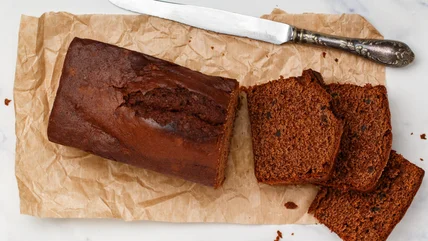
Read MoreDiscover the viral craze sweeping through kitchens: Ice cream bread, the 2-ingredient wonder that rivals traditional cakes in simplicity and flavor!
Read MoreOrange juice is a great thirst quencher and source of vitamin C. But, this healthy drink isn't impervious to spoilage so here's what you need to know.
Read MoreDiscover the viral craze sweeping through kitchens: Ice cream bread, the 2-ingredient wonder that rivals traditional cakes in simplicity and flavor!
Read MoreOrange juice is a great thirst quencher and source of vitamin C. But, this healthy drink isn't impervious to spoilage so here's what you need to know.
Read MoreDiscover the unexpected fast-food favorite of celebrity chef Ina Garten, as we delve into the not-so-secret allure behind her (and others') burger chain fave.
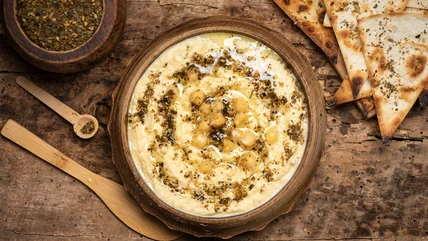
Read MoreWe share the secret to silky-smooth hummus -- baking soda. This pantry staple transforms the homemade dip, simplifying removing the skins from the chickpeas.
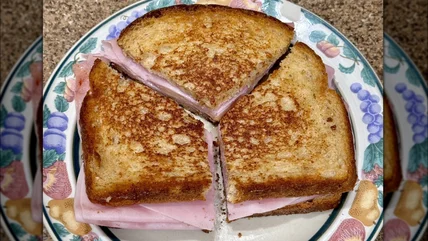
Read MoreMeet the Y-cut sandwich, the viral hack reshaping how we see our lunch. But does its aesthetic appeal outweigh practicality? We play out the debate.
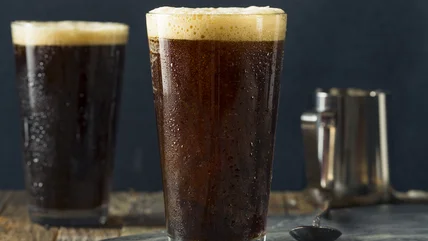
Read MoreThere's a world of java experiences out there. If you haven't yet sampled the nitro cold brew compared to a regular one, be prepared for a slight kick.
Read MoreStarbucks (officially, this time) dives into the boba tea trend, introducing texture innovation with "Pearls" in its exciting summer refreshers lineup.
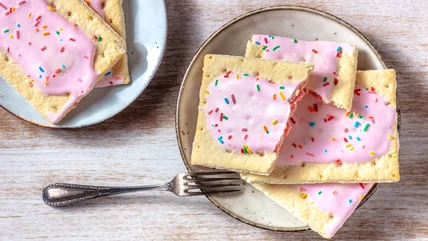
Read MorePop-Tarts - beloved breakfast staple here, but banned snack there. We explore the reasons why certain countries have outlaw the toaster pastries.
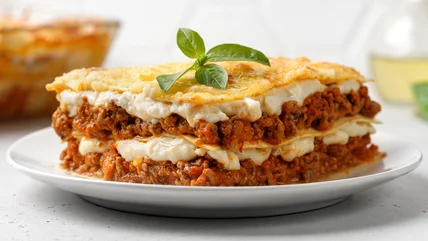
Read MoreAhh, lasagna, that easy-to assemble delicious comfort food filled with simple ingredients. But, our expert lays out 12 mistakes you're probably making.
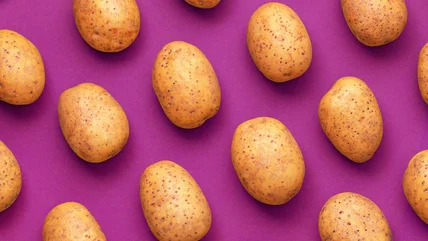
Read MoreThere's nothing worse than food stuck to the barbecue! Fortunately, the internet has found a clever potato hack to make the grill nonstick - but does it work?
Read MoreNo matter whether your Mother's Day treat budget is grim or grand, we've got deals, including Burger King, PF Chang's, Cracker Barrel, STK, and Kona Grill
Read MoreBaristas spend their day making our beautiful morning joe in the myriad ways it manifests. But, our expert reveals which coffee orders are major red flags..
Read MoreWe spell out the secrets of wine tannins. From their underlying function to health benefits, discover why they're the backbone of wine complexity.
Read MoreYou don't have to lug frozen franks to the picnic. Ready your hot dogs ahead of time and keep them warm for hours using a thermos or hydroflask.
Read MorePoached eggs may be the hardest way to prepare eggs but fear not. Our expert is here to help you avoid these 14 mistakes and majorly up your poached egg game.
Read MoreIndulge in summertime sweetness minus the mess: Make watermelon sticks for easy, juicy snacking. Plus, explore gourmet ideas for leftover pieces, or even rinds!
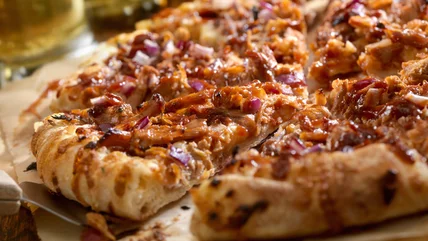
Read MoreWe crack into the story behind Elvis Presley's unique pizza choice: BBQ on pie! Learn about the history of this (now) culinary American staple.
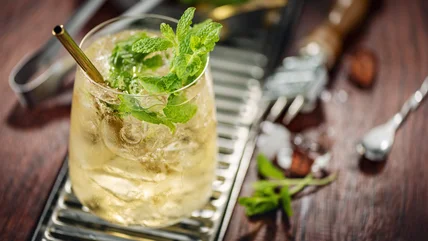
Read MoreWe dive into the history of the cool and refreshing mint julep, from its ancient medicinal origins to its cherished place in Kentucky Derby lore.
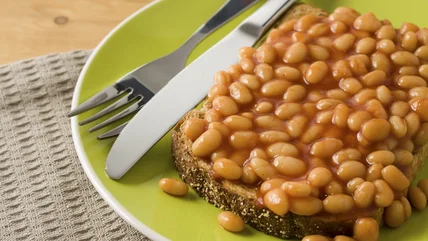
Read MoreWe dish the savory history of beans on toast, a British classic born from clever marketing, wartime rations, and surprisingly delicious simplicity.
Read MoreWe peek into Taylor Swift's rundown of go-to comfort foods, from cozy cinnamon rolls to coffee obsessions, revealing a refreshingly normal favorite.
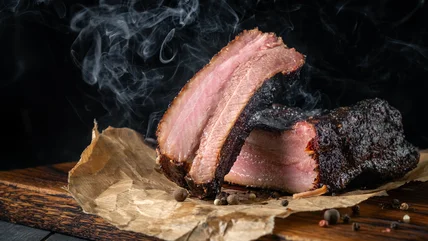
Read MoreWhile the whole Derby spread is impressive, it's unlikely that Chef Robert Lopez's Bourbon Cherry Brisket Burnt Ends won't steal the spotlight.
Read MoreDiscover the story behind Starbucks' iconic handcrafted drinks. From humble beginnings to seasonal favorites, explore the evolution of its menu.
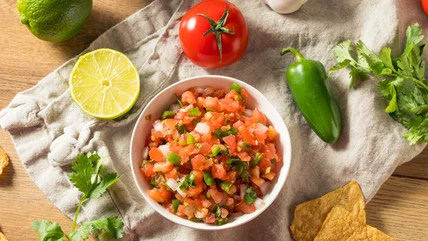
Read MoreWe dig (like a chip!) into the nuances between pico de gallo and salsa. While both boast similar ingredients, their preparation and texture set them apart.
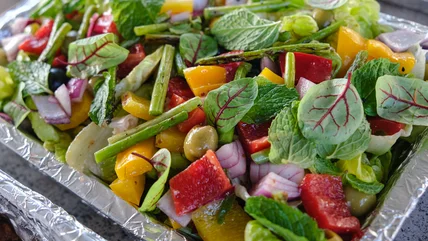
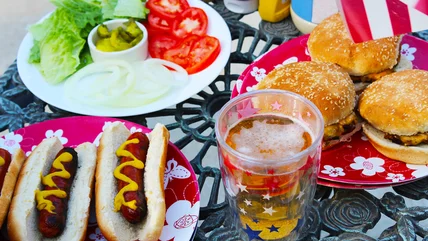
Read MoreTransform your Memorial Day picnic with homemade cold packs using aluminum trays -- keep salads crisp and your drinks icy for the perfect outdoor feast!
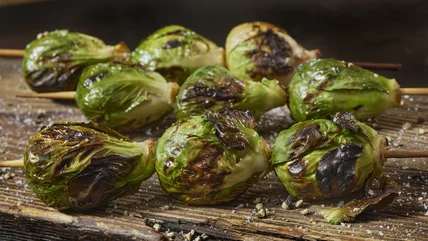
Read MoreThe trick to freezing Brussels sprouts without losing that sought-after crispness is blanching. This technique will ensure they stay fresh and delicious.
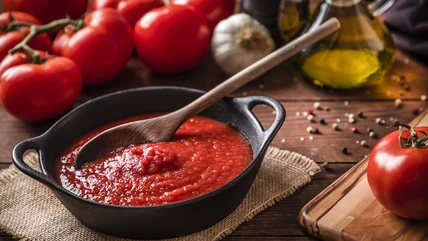
Read MoreUncover the secret to unforgettable tomato sauce. A surprising ingredient adds depth and character, and will transform your gravy into a aromatic delight.
Read MoreRunning low on BBQ supplies for Memorial Day? Don't fret! Trader Joe's has your favorite snacks, and is open regular hours for your last-minute needs.
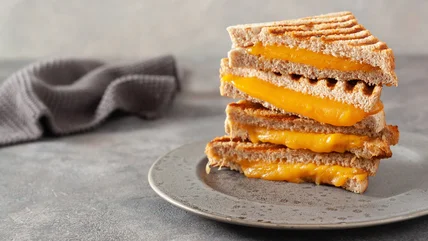
Read MoreThe grilled cheese sandwich is a stalwart in the modern kitchen, but it's more than just cheese and bread. Avoid these mistakes for a primo grilled cheese.
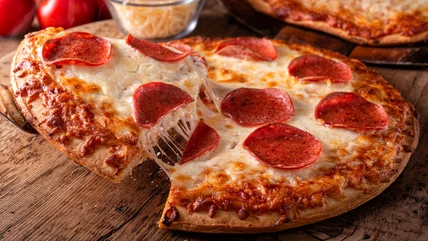
Read MoreTired of soggy reheated pizza? See the best tips for achieving crispy, cheesy perfection, and spare yourself the disappointments of a microwave cook.
Read More