It would be nice if there were salting rules. But when it comes to the question of when to salt, “there are no universally accepted, scientifically validated answers,” says Robert L. Wolke, author of What Einstein Told His Cook: Kitchen Science Explained. So instead of giving us one rule, the experts we consulted advised us to consider what we’re cooking and what outcome we’re looking for.
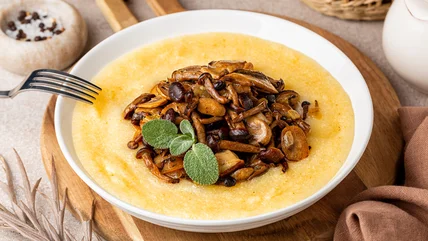
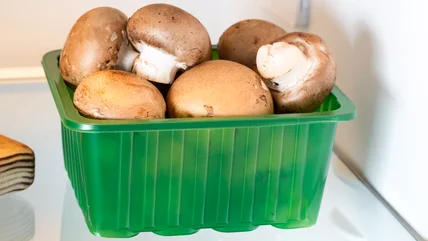
For example, if you’re sweating vegetables, you should add salt intermittently to help leech out the moisture, says Lauren Martey, a research and development chef for Diamond Crystal Salt. But if you’re caramelizing onions or browning mushrooms you don’t want to draw out moisture, for a better caramelization of the sugars, so you should wait until the end to salt.
Proponents of intermittent salting often feel that if they salt something like a sauce or soup along the way, they can layer flavors into it. This is possible, says Morton Satin, director of technical and regulatory affairs at the Salt Institute, but you have to prevent the natural tendency of the salt to redistribute evenly throughout the liquid. He says that if, for example, you’re making a tomato-meat sauce for spaghetti and you want to have a layering effect where you can differentiate between the saltiness of the meat and the tomato sauce, “the cooked, salted meat would be added to the tomato sauce near the very end of the cooking just to incorporate it fully but not to allow too much diffusion to take place.”
If you do salt early, be sure you don’t overdo it to avoid any unpleasant surprises later on. A slow-cooked sauce, pot roast, or pot of beans will boil off a lot of water, making the salt flavor more concentrated.
Salt is hydroscopic, so cooking with it means a lot of different things. It absorbs water, hence it will tend to speed up onions and the like cooked in oil. For pasta cooked in water, obviously, that it absorbs water is not the benefit. The only benefit is that some salt flavor will be absorbed by the pasta. It does not decrease the cooking time, since it lowers the boiling temperature of water,...+READ
Salt is hydroscopic, so cooking with it means a lot of different things. It absorbs water, hence it will tend to speed up onions and the like cooked in oil. For pasta cooked in water, obviously, that it absorbs water is not the benefit. The only benefit is that some salt flavor will be absorbed by the pasta. It does not decrease the cooking time, since it lowers the boiling temperature of water, and it is the temperature of the water that matters (not that it is boiling). If you want the taste of salt to permeate your pasta, add it to the water; otherwise, make a great sauce.
When applied to meats it does quite a bit more, not only does it absorb water, it permeates the meat a little and aids in the meats drying process. You can salt a thin piece of beef and make jerky, easy. But on a roast it won't penetrate that far unless you inject all kinds of crazy stuff, and that isn't home cooking to me. So the benefit there, to me, is making a crust on the meat that you like, and keep a shaker on the table if you want to season what's on the inside more.
Great link, and I've learned a lot from the posters. I've been using so much salt lately on my sidewalk and driveway-- we are having a beautiful winter here in Ames.-COLLAPSE
Since it's important to me, to hold to low sodium diet. I aim for a total daily intake of around 1/4 tsp. Since, I've found that the less salt is used the more it is tasted. I'm sure that vegetables boiled in water e.g. do not absorb all the salt? I've tried to find out. I have also noticed that the reason for salt being added to water is mostly to slightly drop the boiling point of it, thus...+READ
Since it's important to me, to hold to low sodium diet. I aim for a total daily intake of around 1/4 tsp. Since, I've found that the less salt is used the more it is tasted. I'm sure that vegetables boiled in water e.g. do not absorb all the salt? I've tried to find out. I have also noticed that the reason for salt being added to water is mostly to slightly drop the boiling point of it, thus enabling a better simmer. So, when I cook oatmeal or porridge, it happens that, the water boils when only a mere pinch is added. Obviously, like other things, there is a temptation to be sanctimonious over the use of salt in eating. Sure we need some. Overall I find it only a little helpful with creating flavour. I suppose like other things in life, it's personal choice.
Cheers!-COLLAPSE
Just a pinch of Kosher/sea salt in the water for a pound of dried pasta. Often I will use a high sodium additive instead of additional salt. Hot sauce, mustard, etc. to chili's, pastas, soups and so on.
Come on, Chow. This question is totally beginner level.
I don't believe one should withhold salt during cooking and salt the finished product. Many dishes require salt during cooking to bring out their flavors; just don't overdo. As to mushrooms, I saute mine in butter and garlic, then salt, then throw in some dry white wine. If I have enough mushroom liquid, after the alcohol is burned off, I'll remove the mushrooms and reduce the broth by 2/3. It's...+READ
I don't believe one should withhold salt during cooking and salt the finished product. Many dishes require salt during cooking to bring out their flavors; just don't overdo. As to mushrooms, I saute mine in butter and garlic, then salt, then throw in some dry white wine. If I have enough mushroom liquid, after the alcohol is burned off, I'll remove the mushrooms and reduce the broth by 2/3. It's killer in gravies!!-COLLAPSE
Bollocks. Salt was an extremely valuable commodity long before the "salt industry" because it was both a flavorative and preservative substance. In fact, Roman soldiers were paid in salt.
I salt all day long, but before each salting a tasting with my tasting spoon.
Some ingredients, such as pasta or poaching a chicken breast it's better to at least have a little salt at the beginning, because it takes awhile for it to permeate the ingredient. If you add it at the end, it will only be on the surface. I usually add a little at the beginning and then adjust at the end.
Salt is essential to boiling pasta! Not only does the salt raise the boiling temperature of the water for quicker cooking of the pasta(by a few scant degrees, similar to how it lowers the freezing temperature of water---add salt after boil is achieved btw), its helps keep the finished pasta dish more well rounded and balanced.
Salt in the pasta water is like the old tip for ladies applying...+READ
Salt is essential to boiling pasta! Not only does the salt raise the boiling temperature of the water for quicker cooking of the pasta(by a few scant degrees, similar to how it lowers the freezing temperature of water---add salt after boil is achieved btw), its helps keep the finished pasta dish more well rounded and balanced.
Salt in the pasta water is like the old tip for ladies applying make-up for the first time, 'just enough, but still remain natural'. It should make the pasta taste good, not salty, and hopefully your sauce wont have to compensate for the bland pasta by being overly salted/seasoned.
Also note- adding 'large crystal' (kosher, sea,etc) salt to any dish should be gradual, and tasted only after the salt crystals have had enough time to dissolve/melt into the dish. Many over-salt sauces this way, putting too much in, tasting too soon, then later finding it way too salty.-COLLAPSE
I almost never use salt when cooking. The exception would be using sea salt when boiling lobster. I do like to use dulse flakes, though, as a seasoning, which taste salty, but are much more interesting.
oiranapapa, I don't agree... Yes, salt will draw out moisture, but it takes hours. If you let a 5 lb roast sit in a salt rub overnight, you will end up with only a couple of tablespoons of liquid drawn out. So the amount of water lost due to salting before grilling a steak for, say, 4 min./side is negligible.
However, ALWAYS let a steak (or any other meat) rest after grilling before cutting...+READ
oiranapapa, I don't agree... Yes, salt will draw out moisture, but it takes hours. If you let a 5 lb roast sit in a salt rub overnight, you will end up with only a couple of tablespoons of liquid drawn out. So the amount of water lost due to salting before grilling a steak for, say, 4 min./side is negligible.
However, ALWAYS let a steak (or any other meat) rest after grilling before cutting into it (about 8-10 min of rest per lb of meat). This allows the heat-damaged tissues a little time to reabsorb some liquid that has pushed its way out into the spaces between cells. If you don't do this, those juices will run right out the second you cut into the meat.
One major argument in favor of salting a steak 5 - 10 minutes before grilling is this. The salt will draw some proteins to the surface of the meat, and when the meat hits the HOT (500 degrees) grill those proteins will turn into a beautiful and flavorful crust (see: Maillard reactions). Similar to brushing a steak with butter before broiling it, except that since a grill is basically an upside-down broiler, butter will tend to just drip off and flame up on a grill.-COLLAPSE
When cooking grilled meat always salt as soon as you've taken it off the grill! or the juices will drain away while cooking....especially valid for bistecca alla fiorentina!
Agreed DiveFan. Salt has two states: solid (crystal) and liquid (dissolved/ionized), with nothing in between, so for flavoring purposes, it doesn't much matter when you add it, just how much. If you're trying to draw moisture out of food you really don't need too much salt. Also, when you're carmelizing onions, you DO want to draw out moisture--that's what concentrates the sugars, while heat and...+READ
Agreed DiveFan. Salt has two states: solid (crystal) and liquid (dissolved/ionized), with nothing in between, so for flavoring purposes, it doesn't much matter when you add it, just how much. If you're trying to draw moisture out of food you really don't need too much salt. Also, when you're carmelizing onions, you DO want to draw out moisture--that's what concentrates the sugars, while heat and time oxidize them to create possibly the best flavor known to mankind.-COLLAPSE
I don't salt anything before or during cooking. Salt can be added during cooking, but never taken away. It really adds very little. It is part of the myth of salt.
How many people believe a good dose of salt is required to cook a pot of pasta? A great many I believe because the salt industry has said so for years as well as the pasta industry. It it just not true. It is also not true the pasta...+READ
I don't salt anything before or during cooking. Salt can be added during cooking, but never taken away. It really adds very little. It is part of the myth of salt.
How many people believe a good dose of salt is required to cook a pot of pasta? A great many I believe because the salt industry has said so for years as well as the pasta industry. It it just not true. It is also not true the pasta has to "swim" in a huge amount of water. Pasta is not a form of fish. It has never learned how to swim in either salt or fresh water.
Of course, some dishes do need salt, but this is best added at the end of cooking or at the table to taste.
I seldom salt during cooking, with the exception of quality salt bearing ingredients such as smokehouse cured meats, country ham and the like. This is the way I would like to spend my salt budget during cooking, adding ingredients which improve the dish rather ruin it and improve the profits of the salt industry and their ilk.-COLLAPSE
salt is seasoning when added early, and properly. If for a bite, then leave the shaker on the table.
Anyone who cooks knows this. Hence a grating of cheese at the end if necessary.
"Morton Satin, director of technical and regulatory affairs at the Salt Institute" sounds like a joke source. Geez.
Cook's Illustrated covered the issue of adding salt to caramelized onions. Their verdict: the onions will be more flavorful, but it takes quite a bit longer to brown them.
Is the salt expert really named Morton?!
One would think that salting intermittently would help to prevent oversalting, in general, if one tastes before salting.
I tend to salt lightly at first and then adjust seasoning as needed.
And I agree with DiveFan on the layers of flavor... maybe this works with fresh herbs, adding them in stages, but with salt? Or maybe I'm not as chow-ish as I thought :)
I think the guy from the 'Salt Institute' is a bit over the top. Once the food is in my mouth, the salt redistributes anyway and Then I'll know if the dish has the correct proportion of salt (for me). Using salt for 'layers of flavor' is for haute cuisine show offs.
I try to undersalt until the dish is almost cooked, then adjust if needed. I'm especially cautious if any processed ingredients are...+READ
I think the guy from the 'Salt Institute' is a bit over the top. Once the food is in my mouth, the salt redistributes anyway and Then I'll know if the dish has the correct proportion of salt (for me). Using salt for 'layers of flavor' is for haute cuisine show offs.
I try to undersalt until the dish is almost cooked, then adjust if needed. I'm especially cautious if any processed ingredients are present that contain salt.
IMO salt can amplify flavors only up to a point - no need to overdo it. Let the fresh ingredients speak for themselves.-COLLAPSE