What Does It Mean To Have A Handcrafted Drink At Starbucks?
Discover the story behind Starbucks' iconic handcrafted drinks. From humble beginnings to seasonal favorites, explore the evolution of its menu.
Read More

Discover the story behind Starbucks' iconic handcrafted drinks. From humble beginnings to seasonal favorites, explore the evolution of its menu.
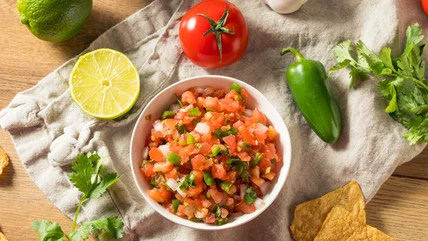
Read MoreWe dig (like a chip!) into the nuances between pico de gallo and salsa. While both boast similar ingredients, their preparation and texture set them apart.
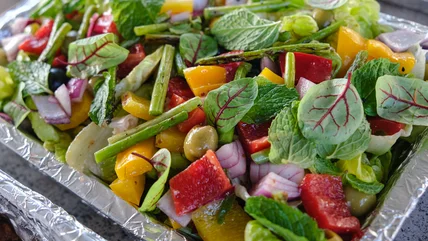
Read MoreTransform your Memorial Day picnic with homemade cold packs using aluminum trays -- keep salads crisp and your drinks icy for the perfect outdoor feast!
Read MoreWe dig (like a chip!) into the nuances between pico de gallo and salsa. While both boast similar ingredients, their preparation and texture set them apart.
Read MoreTransform your Memorial Day picnic with homemade cold packs using aluminum trays -- keep salads crisp and your drinks icy for the perfect outdoor feast!
Read MoreWe dig (like a chip!) into the nuances between pico de gallo and salsa. While both boast similar ingredients, their preparation and texture set them apart.
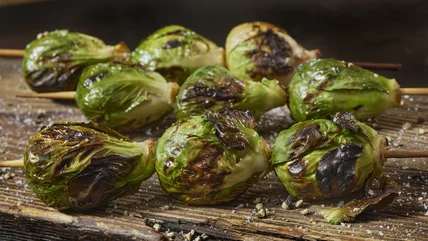
Read MoreThe trick to freezing Brussels sprouts without losing that sought-after crispness is blanching. This technique will ensure they stay fresh and delicious.
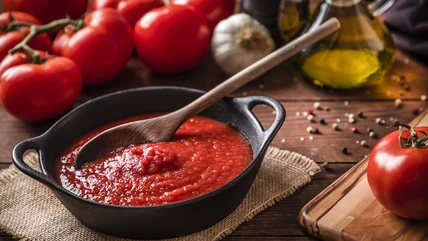
Read MoreUncover the secret to unforgettable tomato sauce. A surprising ingredient adds depth and character, and will transform your gravy into a aromatic delight.
Read MoreRunning low on BBQ supplies for Memorial Day? Don't fret! Trader Joe's has your favorite snacks, and is open regular hours for your last-minute needs.
Read MoreThe grilled cheese sandwich is a stalwart in the modern kitchen, but it's more than just cheese and bread. Avoid these mistakes for a primo grilled cheese.
Read MoreTired of soggy reheated pizza? See the best tips for achieving crispy, cheesy perfection, and spare yourself the disappointments of a microwave cook.
Read MoreCelebrate this year's Cinco de Mayo with $5.55 burritos at Moe's, $5 margaritas at Kona Grill, or $5 tacos at STK. Find the best 5/5 deals here!
Read MoreMashed potatoes are a dinnertime favorite that go with almost any main dish. But, you can increase your mashed potato game by avoiding these 18 mistakes.
Read MoreSkip the peeling and reach for canned potatoes instead. It's secret to easy, creamy mashed potatoes in half the time, and they're just as delicious.
Read MoreWe unveil the latest in protein powerhouses: cricket powder. Nutrient-rich and sustainable, it's revolutionizing the health food scene. Do you dare try it?
Read MoreGin comes in various forms influenced by a wide range of botanicals and aromatics. So, we spoke to an expert to find out exactly how to sip each variety of gin.
Read MoreWe uncap and spread the many secrets to prolonging the shelf life of your fruit spreads, ensuring they stay fresh and delicious with appropriate storage.
Read MoreWe dig into the story of Elvis Presley's beloved sandwich, made with fried peanut butter, banana, and bacon-a sweet, savory delight steeped in culinary history.
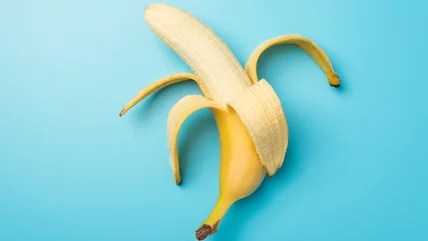
Read MoreWe delve into precisely how potassium-rich bananas are, and along the way discuss the nutrient's role in our health, as well as alternative sources for it.
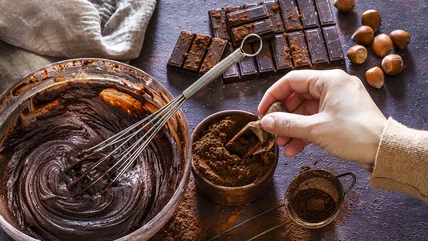
Read MoreOut of baking chocolate? No problem. Learn how to craft a perfect substitute using simple pantry staples (or a candy bar) for your next decadent dessert.
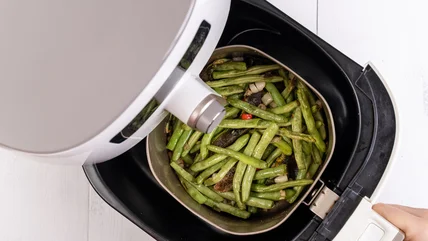
Read MoreRevitalize your green string beans with a modern twist! See how air frying transforms this classic side dish into a crispy snack sensation.
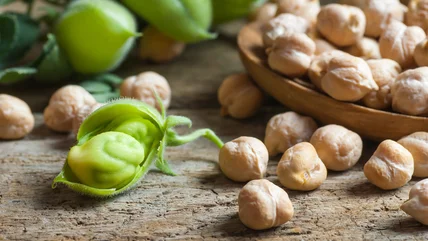
Read MoreLearn the story behind chickpeas and garbanzo beans as we unwind the naming mystery, and explore their rich history and versatile culinary uses.
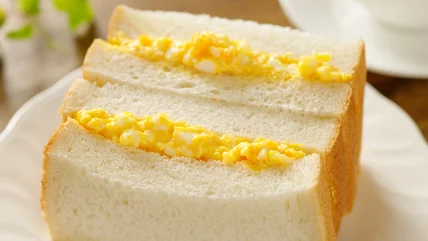
Read MoreSeasoned travelers will tell you not to sleep on the 7-Eleven stores in Japan, where even the humble egg salad sandwich is a culinary treasure.
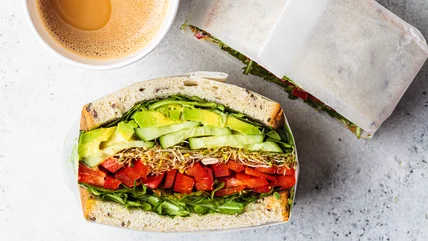
Read MoreNow's the time to nail down your sandwich wrapping skills with parchment paper. This is one simple way to fresher, more flavorful sammys wherever you go!
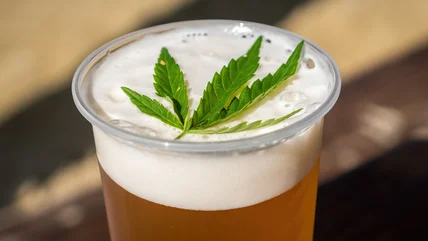
Read MoreWe uncover the intriguing link between beer and cannabis smells. Learn why some brews emit skunky aromas and how it's tied to their ingredients.
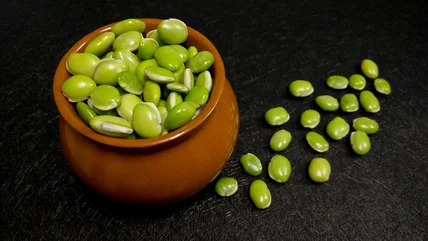
Read MoreFrom the canned goods aisle to your kitchen, the variety of beans can be overwhelming. Lima beans and edamame may look alike, but they're not the same.
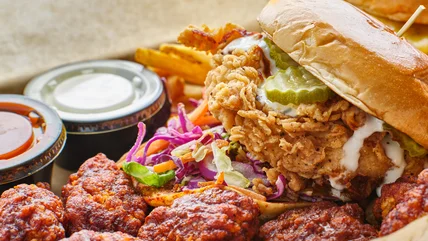
Read MoreDo you prefer crunchy or saucy? Nashville hot vs. buffalo chicken -- discover the fiery origins and flavorful differences between these spicy American staples!
Read MoreBananas may just be the unsung heroes of the fruit world. Why are they always cheap, and what exactly are the factors that keep the prices stable?
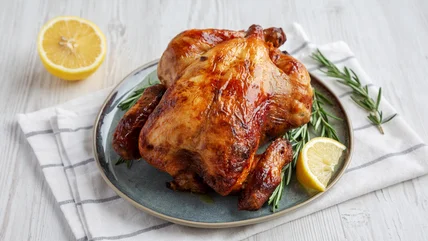
Read MoreRotisserie chicken is one of the most versatile grocery-items you can buy. Ready made, it can be added to a multitude of dishes. So, we put together 14 of them.
Read MoreDiscover the candy haven at b.a. Sweeties Candy Co., boasting North America's largest selection of sweets, rare treats, and endless soda options!
Read MoreExplore Starbucks' commitment to quality and sustainability with their exclusive use of premium Arabica beans, offering a distinct flavor in every cup.
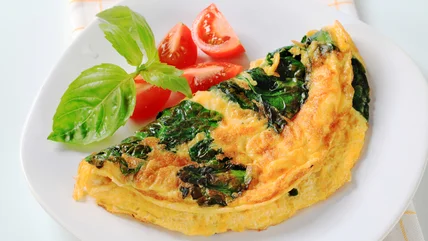
Read MoreIt may seem like there's nothing to making an omelet. After speaking with an expert who gave us 15 mistakes everyone makes, it's clear there's much more to it.
Read More