Dogs are many things, but they are not known as picky eaters.
That’s not the point, say a growing number of people who believe that despite their lack of gourmandise, dogs should be offered homemade food instead of commercial kibble.
Cooking for your dog is not new: Processed dog food was invented around 1860, and the now-ubiquitous bagged kibble has been popular only since the 1950s. Before that, most dogs were fed table scraps, and maybe a little special chicken and rice porridge. In rural areas and outside of the developed world, many dogs continue to survive on just such a diet.
But ever since the 2007 pet food recall, books about home cooking for dogs have been selling as fast as Amazon.com can restock them.
“It really just showed me how much people are scared,” says Arden Moore, author of Real Food for Dogs: 50 Vet-Approved Recipes to Please the Canine Gastronome, which hit Amazon’s bestseller list the year of the recall. More people are wondering what’s in commercial pet food. But, Moore says, “there are really more questions than answers.”
To Moore, spending an hour making liver treats for your Labrador is a natural extension of the anti-corporate-grind mentality that spawned the Slow Food movement and gave rise to the quit-your-job-and-open-a-bakery trend. “I think there is a push for more of a sincere, simplistic life, and I think pets give you that,” she says.
Though she doesn’t have anything against the pet food industry, she’s pretty sure that her two dogs enjoy her Marvelous Mutt Meatballs and Pooch Pancakes better than they would something from a can.
The meatballs, like two-thirds of the recipes in the book, are fit for people too. The most notable thing about them is their conspicuous lack of onions, which can cause a dangerous anemia in dogs.
Eggplant, chocolate, grapes, and macadamia nuts are other no-nos, which just goes to show that canine nutrition is not as simple as dumping a meat ’n’ three in a stainless steel dish. Pet-food cookbook authors speak of things like amino acid complexes, bone meal supplements, and eggshells ground for calcium.
Moore teamed up with a veterinarian from the American College of Veterinary Nutrition, who analyzed all the recipes in her book to make sure they give dogs what they need to stay healthy.
Rudy Edalati, owner of the Barker’s Grub canine catering company in suburban Maryland and author of a cookbook by the same name, also knows a thing or two about doggy nutrition.
A former riding instructor, Edalati often sounds a lot more like the chef at a hip ecospa than someone who spends all day up to her elbows in puppy chow.
“Can you imagine eating processed foods every day?” she says in horror when talking about doggy diets.
Edalati’s takeout dishes are prepared to meet each dog’s specific nutritional needs and are full of seasonal veggies—pumpkin in fall, green beans in summer. Her customers and her own eight canines eat dishes like Dragon Grub, a simple egg-noodle-and-ground-beef concoction that would be right at home on the kids’ menu at any corner bistro.
But unlike children, dogs will not wrinkle their noses at the sight of a stray speck of parsley and ask for plain buttered spaghetti.
“One thing about dogs is they’re just so happy and they just love everything you make for them,” she says.
Even the most ardent butt-lickers have their limits though. Moore recalls a dog that would use his nose to push away every single piece of carrot in her canine casserole. “I have no idea how he did it so masterfully,” she says. “When you can’t even make food for a dog, that’s kind of sad.”
Sally Sampson, a Boston-based restaurateur and author of 17 people-food cookbooks, says she approached the recipe-development process for her canine cookbook, Throw Me a Bone, the same way she would for any project: test, test, test. “If a dog walked away from something, we didn’t include it,” she says.
Most of the recipes in Sampson’s and Moore’s books contain some type of grain (rice, pasta, corn mix, wheat flour). Although there are people (especially those who feed their pets only raw foods) who subscribe to the theory that dogs can’t eat grains, many dog-food cookbook authors believe that dogs are omnivores.
All of the recipes in Throw Me a Bone made it past a canine taste panel that included Max, Sampson’s father’s wheaten terrier, and Cooper Gillespie, the Welsh springer spaniel of Sampson’s good friend, New Yorker writer Susan Orlean. Orlean wrote the text of Throw Me a Bone from Cooper’s perspective—it’s his name, not hers, that appears on the book jacket.
While there are plenty of people who think that cooking for your dog is a sign of pathetically misplaced priorities, the authors all say there’s nothing overindulgent about wanting to feed your pet the healthiest food.
“I’m not sitting here dressing my pets up in costumes,” Moore says. “But what I put in their food bowl I do make sure is very nutritious.”
Headline image by Matthew Pancia


@roasted: For a great resource on cooking food for your cat (as well as tons of great info), check out this book by Anitra Frazier: The New Natural Cat. IMO, her holistic way of thinking about cats' health and diet makes sense. She even developed a supplement to commercial foods by following a train of though that made sense to me: She asked herself, "why are farm cats so healthy when all they...+READ
@roasted: For a great resource on cooking food for your cat (as well as tons of great info), check out this book by Anitra Frazier: The New Natural Cat. IMO, her holistic way of thinking about cats' health and diet makes sense. She even developed a supplement to commercial foods by following a train of though that made sense to me: She asked herself, "why are farm cats so healthy when all they eat is scraps?" The answer was, of course, mice! So she set out to "build a mouse" by combining ingredients that would mimic the nutrients a cat would get from a mouse: lecithin for the skin and hair, calcium for the bones, yeast for something alive, oat bran for what would have been in the mousie's stomach, etc. I myself don't know if this is scientifically valid, but I did make her vita-mineral mix (which is commercially available from Halo) and gave it to my old cat who had a raging case of ringworm. I treated the ringworm with the usual goo, but though that cleared up the ringworm, I fully believe the mix helped, and it made his coat amazing! Even my dad, who only likes cats to kick them, said, no -- that's not the same cat, is it?!-COLLAPSE
i made the switch to cooking for my dogs when one developed sudden and severe allergies which caused her fur to fall out, bloody rashes all over her body, etc. the vet actually suggested it might be my commercial dog food. i'd never thought of it before, as i was raised feeding my childhood dogs dry food from costco! within weeks, her rashes went away. and now, years later, she is constantly...+READ
i made the switch to cooking for my dogs when one developed sudden and severe allergies which caused her fur to fall out, bloody rashes all over her body, etc. the vet actually suggested it might be my commercial dog food. i'd never thought of it before, as i was raised feeding my childhood dogs dry food from costco! within weeks, her rashes went away. and now, years later, she is constantly complemented by my vet as one of the best looking and healthiest dogs of that breed she has ever seen.
as a vegetarian, i don't handle meat at home. so i make extra cooked or roasted veggies to add into a (very expensive) organic dog food that my dogs both tolerate very well. i've been told cooking vegetables at least slightly is much easier on dogs' digestive tracts, as they can't digest or process lots of raw veggies at once. so at least blanching seems like a good idea. my dogs LOVE yams, potatoes, green beans, frozen peas (still frozen), shredded carrots, peeled apples, greens, and small amounts of broccoli, corn, and cranberries. i do give them small amounts of grains mixed in with their veggies, which may not be a "natural" thing for dogs to eat, as other poster stated, but my vet gave the okay on certain whole grains and both my dogs respond well.
in a pinch, i just drizzle some olive oil over their dry food and they go absolutely nuts for it. at this point, when i bring them leftover meat from a friend's dinner at a restaurant, they actually eat the veggies i give them first.
cooking for your dog is great. imagine having to eat the same kibble every day for your entire life. no animal or human was meant for that. and if it means i spend a little more on fresh produce, or have less leftovers for myself, it's totally okay considering the alternatives a vet would offer me for trying to treat my dog's allergies. steroids, harsh medications, wearing cones on their heads?! or some fresh veggies and a quality organic dog food...-COLLAPSE
i know that people can get fanatical about this stuff, but i have to say that i think it's a real mistake to put grains in dog food. veggies, yes, berries, yes: those are things an ancient dog could pluck off of the ground. but grain wasn't cultivated for much of the canine evolutionary timeline. we feed our dog ground up critter parts, including soft ligaments and bones, and then supplement with...+READ
i know that people can get fanatical about this stuff, but i have to say that i think it's a real mistake to put grains in dog food. veggies, yes, berries, yes: those are things an ancient dog could pluck off of the ground. but grain wasn't cultivated for much of the canine evolutionary timeline. we feed our dog ground up critter parts, including soft ligaments and bones, and then supplement with a variety of plant items, such as sweet potato, tomato, cranberries, greens, etc. no grains anywhere.-COLLAPSE
Our Diva had major problems … (she is a pure breed yellow LAB-A-MUTT) Her hair on her back was always falling out, her skin would seep liquid, it was always hot and red, and from time to time her urine had blood in it. The vets always wanted to put her on steroids, which caused major side effects. Then one day a vet diagnosed her with 9 gallstones…yes nine and had to have an operation to remove...+READ
Our Diva had major problems … (she is a pure breed yellow LAB-A-MUTT) Her hair on her back was always falling out, her skin would seep liquid, it was always hot and red, and from time to time her urine had blood in it. The vets always wanted to put her on steroids, which caused major side effects. Then one day a vet diagnosed her with 9 gallstones…yes nine and had to have an operation to remove them.
After that I did A LOT of research and found out her problem stemmed from the crap in processed food. We experimented with some homemade foods and now have found a couple of winners.
On a bi-weekly rotation we will boil up chicken thighs, remove from water to cool to remove the skin and chop up, add in brown rice, peas, carrots and apples…sometimes we will change it up a bit with the meat and veggies. We cook it all together on low for a bit, allow to cool and the package in reusable containers and place 2 days worth in the refrigerator and rest in the freezer, before heading to bed every night we will remove 2 containers from the freezer (we have 2 dogs) … every morning they get their chicken and rice!
We have been doing this for 3 years now; it is just part of our lives.
Diva will be 11 this year and acts like she is 2 years old pup, our friends cannot believe that she is the same dog! Even though Diva had the worse of the problems, our black lab started losing his hair on his back too when we first got him and now is coat is amazing…he is only 4
We make the time to make their food; I personally would have it no other way. However, I do not turn my nose up or judge people who buy commercial food, for I was raised with dogs and we feed them commercial products for years, this just happens to be Diva and Van’s (and ours) personal experience.-COLLAPSE
The liver thing sounds like something the Amish eat.
Onion powder is the most likely culprit in Heinz body anemia. Extremely high consumption of the allium family (onions, garlic, chive, etc) can cause this not only in dogs and cats but in other mammals, including people. Feeding jars of meat baby food used to be common supportive care for ill or recuperating cats, dogs, kittens, and puppies. When baby food companies added onion powder to the...+READ
Onion powder is the most likely culprit in Heinz body anemia. Extremely high consumption of the allium family (onions, garlic, chive, etc) can cause this not only in dogs and cats but in other mammals, including people. Feeding jars of meat baby food used to be common supportive care for ill or recuperating cats, dogs, kittens, and puppies. When baby food companies added onion powder to the pureed meat, HBA started to complicate the illness of these pets. Note that they were sick, weak, or weaning - so the baby food tended to be most or all of what they were eating. There was a minor scandal over this - the manufacturers initially felt no obligation to remove the onion powder, but later did so. After all, it was probably there to make the gruel more palatable when doting parents took a taste before feeding junior. The babies' palates were not likely the issue. At that time I had a terminally ill cat who loved canned 9-Lives but when he became sicker I noticed that the label included onion powder. I contacted all the major pet food companies and learned that the "other flavors" on the labels were proprietary secrets but that garlic and onion powder could certainly be included.
If you have a healthy, adult pet you won't harm him with cooked garlic or onion, but best to avoid the powdered form, and in cases of a weak or ill pet, all forms.
Vets (with the exception of holistically-inclined ones) tend to stand by the feeding of commercial pet food. They can all cite you cases of pets who got sick on unbalanced or improper home-made diets, or were injured by bone splinters, etc. Which is not to say that many or most dogs on home diets do great. The quality of the ingredients is also a factor - meat from feedlot livestock and battery-raised poultry, cooked or raw, is not equivalent to the rabbit or squirrel that Rover just nailed. Most of us can't afford free-range meat for ourselves, much less to feed it to our pets. All the dogs I've owned in my 60 years have been fed kibble and occasional table scraps, plus cooked egg on a semi-regular basis, and a periodic raw bone to keep their teeth clean. So far so good.-COLLAPSE
I can tell you that the little Westie in your feature headline today will eat just about ANYTHING...except for prosciutto and chopped liver (when dropped on the floor, of course). That's our very own Floyd!!!
Corn isn't that healthy either because of the starch/sugar content. We all want our pets to be healthy but be careful about what is included in their diet.
I feed my dog kibble...but I have to say if she's not equipped to process grains, nobody ever told her that. She eats everything that falls on the floor...baby carrots, bread crusts...you name it, she's tried to eat it. And there's never been any ill effects, visible or 'smell-able'.
I do think the move toward ultra natural high end dog food and/or homemade dog food is interesting though. I...+READ
I feed my dog kibble...but I have to say if she's not equipped to process grains, nobody ever told her that. She eats everything that falls on the floor...baby carrots, bread crusts...you name it, she's tried to eat it. And there's never been any ill effects, visible or 'smell-able'.
I do think the move toward ultra natural high end dog food and/or homemade dog food is interesting though. I discussed it with my vet and she told me that she sees no problem with feeding regular old dog kibble. When she tells me otherwise, or I notice a health problem with my dog, perhaps I'll make the switch, but for now her coat is soft, her breath isn't stinky, her weight is right on target, her gas isn't excessive, and she's got plenty of energy, so Purina it is.
Though I did make her a sugar free carrot cake for her birthday. with pureed chicken and lard icing. That was nasty! She loved it and ate it in one giant bite.-COLLAPSE
hello Roasted:
BARF is an acronym for Biologically Appropriate Raw Food (occas also interpreted as Bones And Raw Food). Cats are obligate carnivores, so grain-based cooked foods are particularly inappropriate for them. Dr Ian Billinghurst's book The BARF Diet contains credible information on feeding cats the diet they are equipped to thrive on.
Good luck,
Barbara, feeding BARF to dogs for...+READ
hello Roasted:
BARF is an acronym for Biologically Appropriate Raw Food (occas also interpreted as Bones And Raw Food). Cats are obligate carnivores, so grain-based cooked foods are particularly inappropriate for them. Dr Ian Billinghurst's book The BARF Diet contains credible information on feeding cats the diet they are equipped to thrive on.
Good luck,
Barbara, feeding BARF to dogs for 8+yrs now-COLLAPSE
Does BARF have info for cat food too? Anyone know any credible sources to find similar info for homemade cat food. I've found a lot of sites and there's LOTS of opinions, with information contradicting itself more often than not.
"Unintended prey model" -- hee! My dog would kill the bunny, not play with it, but I'm pretty sure she wouldn't actually eat it. At least, none of my dogs has ever eaten anything they killed, just brought it to "mom" to show off. Many sporting dogs have been specifically bred not to eat the things they catch or retrieve. My current dog is (1) not a very big eater, and (2) more than a little ADD...+READ
"Unintended prey model" -- hee! My dog would kill the bunny, not play with it, but I'm pretty sure she wouldn't actually eat it. At least, none of my dogs has ever eaten anything they killed, just brought it to "mom" to show off. Many sporting dogs have been specifically bred not to eat the things they catch or retrieve. My current dog is (1) not a very big eater, and (2) more than a little ADD -- she loses interest in her prey when it stops moving/squeaking.-COLLAPSE
When my dog at 7 got chronic pancreatitis and a dire prognosis, I started cooking for him. Ultimately his favorite was pork tenderloin and oatmeal or rice with various supplements. He lived to a happy 16, and I think the good food had a lot to do with it.
Now a different dog of mine, younger and healthier, eats raw, but since I"m often too lazy to do much prep myself, I buy frozen medallions....+READ
When my dog at 7 got chronic pancreatitis and a dire prognosis, I started cooking for him. Ultimately his favorite was pork tenderloin and oatmeal or rice with various supplements. He lived to a happy 16, and I think the good food had a lot to do with it.
Now a different dog of mine, younger and healthier, eats raw, but since I"m often too lazy to do much prep myself, I buy frozen medallions. He loves it & it seems to be working for him. Dogster is definitely a great place to read & participate in discussion about
all kinds of diets.-COLLAPSE
When I was a child, we didn't have processed dog food here in Brazil. We had fila dogs, and all their food was homemade. They're really large animals, so the cost of food was an important issue for us. I used to cook big pans of cracked rice or polenta with kidney or minced meat. Bones were an important part of their diet, and they loved it. Our butcher used to keep bones and spare pieces of meat...+READ
When I was a child, we didn't have processed dog food here in Brazil. We had fila dogs, and all their food was homemade. They're really large animals, so the cost of food was an important issue for us. I used to cook big pans of cracked rice or polenta with kidney or minced meat. Bones were an important part of their diet, and they loved it. Our butcher used to keep bones and spare pieces of meat for me and my brothers.
Carrots for vitamin A, fish liver oil, eggs - they like to eat the shells, too, and it's good for them. Dogs enjoy fish, but BEWARE of the bones (risk of chocking). Also, NEVER feed your dog long chicken bones, because if they break, can perforate their intestines and kill them. But the small neck bones offer no danger and dogs love it! I used to cook chicken necks and feet until very tender. They're very rich in calcium, and great for puppies.
Dogs doesn't need vitamin C, they produce their own, so oranges, lemons, ecc. are not good for them. Also, try to keep their diet low in fat.-COLLAPSE
I've done it all for my dog - premium commercial, home cooked, BARF (though I hate that name), and the occasional, unintended Prey Model. I think it's important to remember to do what's best for your dog. Most dogs have been bred so far that they have no instinct or stomach for raw or prey - they'd try to play with the bunny rabbit instead.
coconutz - you can get bone meal at GNC, Whole Foods,...+READ
I've done it all for my dog - premium commercial, home cooked, BARF (though I hate that name), and the occasional, unintended Prey Model. I think it's important to remember to do what's best for your dog. Most dogs have been bred so far that they have no instinct or stomach for raw or prey - they'd try to play with the bunny rabbit instead.
coconutz - you can get bone meal at GNC, Whole Foods, etc.-COLLAPSE
coconutz: Grains are not an appropriate or necessary component of a canid diet, as their guts are not equipped to process it properly - that's why dogs* smells like *. Kibble does not provide "nutrition insurance", but feeding appropriate real food to our dogs results in good health & longevity for them, just as it does for us. Please refer to Dr Ian Billinghurst's BARF (Biologically Appropriate...+READ
coconutz: Grains are not an appropriate or necessary component of a canid diet, as their guts are not equipped to process it properly - that's why dogs* smells like *. Kibble does not provide "nutrition insurance", but feeding appropriate real food to our dogs results in good health & longevity for them, just as it does for us. Please refer to Dr Ian Billinghurst's BARF (Biologically Appropriate Raw Food) for the rationale & a nutritionally sound feeding plan. It's neither expensive nor diffucult, and you'll both feel better for it.
You may contact me privately for more info, if you wish.
Barbara in Toronto,
feeding BARF for 8y-3w to
Missy (died at 17y-2m),
Jolly (10 1/2 & thriving)
Prim (16m, weaned on BARF)-COLLAPSE
As I said, head over to dogster.com, and they'll answer all your questions.
I have been feeding our new dog (from the shelter) a boiled chicken and brown rice stew. I add oatmeal and grated carrot. I mix this with equal parts of dry food and a big spoonful of cottage cheese. I can get a chicken on sale for $3 , rice is cheap, and we don't have to deal with stinky canned dog food. I hope I am including enough protein. I'd like to know how much protein a 45 pound dog...+READ
I have been feeding our new dog (from the shelter) a boiled chicken and brown rice stew. I add oatmeal and grated carrot. I mix this with equal parts of dry food and a big spoonful of cottage cheese. I can get a chicken on sale for $3 , rice is cheap, and we don't have to deal with stinky canned dog food. I hope I am including enough protein. I'd like to know how much protein a 45 pound dog needs. Also any add-ins, like the bone meal--where to get it? I mix in the kibble for nutrition insurance. And she has additional dry food available all day but doesn't eat much of it.-COLLAPSE
As someone who spends a lot of time on dogster.com (yeah, social networking for "dogs" -- I have no life) the really hot trend in feeding your dog is raw. The best known raw "movement" is BARF (bones and raw food) -- there's a ton of information on the net, while real extremists feed "prey model" (whole animals, like rabbits, supposedly to mimic what canines eat in the wild).
I'd say cooked or...+READ
As someone who spends a lot of time on dogster.com (yeah, social networking for "dogs" -- I have no life) the really hot trend in feeding your dog is raw. The best known raw "movement" is BARF (bones and raw food) -- there's a ton of information on the net, while real extremists feed "prey model" (whole animals, like rabbits, supposedly to mimic what canines eat in the wild).
I'd say cooked or raw, include as much of the animal as you can -- despite all the warnings about feeding your dogs bones, supposedly raw bones are safe. Don't feed cooked bones, though -- they're both harder and more brittle and likely to splinter into dangerous shards. Supposedly raw feeding bones is really good for keeping your dog's teeth cleaned (and thus, improves their breath as well).
I'm still feeding my dog kibble (ultra-premium kibble made with organic and/or human grade ingredients, but still kibble), but I often mix it with raw egg, yogurt or buttermilk. She also likes most fruits and vegetables -- she loves watermelon -- but she won't touch lettuce.
As a chowhound, what I find interesting is that people who start feeding their dogs raw start buying a lot of animal parts that they have never purchased for their own consumption. I wonder how many of them eventually decide to try liver, or other organ meats, once they get used to buying it and handling it?
BTW, if you check out dogster.com, there are lively forums on both raw and home cooked food for your dog.-COLLAPSE
My dogs love carrots also. Ever since the pet food recall I have stopped feeding any canned food to my pooches, they now get some dry food and a concoction I make of either ground beef or chicken rice, carrots and sometimes sweet pototoes and broth. What ever I have in the kitchen at the time.
Steve
you also may want to leave in the fat and the skin and add some sort of bone meal for calcium.
Dogs need all that.
Louisa, Thanks for the tip. I'll definitely make the adjustment, of course at 16, Barney doesn't seem to have been affected . . . although that breath! (Just kidding and thanks again)
Many dogs are surprisingly omnivoric from a young age. Unlike the anti-carrot dogs described in the piece, our Phoebe adores raw carrots. This weekend we picked up an heirloom variety called "Purple Haze" which was just as popular. Later she grazed on some wild strawberries right off the plant. Give her boiled chicken and she goes bananas.
Steve2 in LA - onions are toxic for dogs - as Emily reports in her article above. Luckily Barney's OK but there is a proven potentially fatal cumulative effect. There's no health benefit to feeding him onions so why risk it?
I'm a hardcore dogophile and longtime, dedicated dog chef myself. Sounds like he'll still love your Arroz con Pollo without the cebollas.
Here are other common human foods...+READ
Steve2 in LA - onions are toxic for dogs - as Emily reports in her article above. Luckily Barney's OK but there is a proven potentially fatal cumulative effect. There's no health benefit to feeding him onions so why risk it?
I'm a hardcore dogophile and longtime, dedicated dog chef myself. Sounds like he'll still love your Arroz con Pollo without the cebollas.
Here are other common human foods to avoid feeding your dogs, in addition to onions (in all forms - raw, cooked, dehydrated, etc.), eggplant, chocolate, and grapes already mentioned:
- Alcoholic beverages
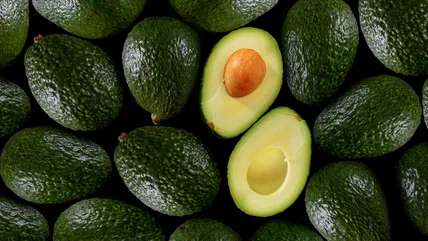
- Avocado
- Chocolate (all forms)
- Coffee (all forms)
- Fatty foods
- Macadamia nuts
- Moldy or spoiled foods
- Onions, onion powder
- Raisins and grapes
- Salt
- Yeast dough
- Garlic
- Products sweetened with xylitol
(ASPCA: Animal Poison Control Center http://www.aspca.org/site/PageServer?pagename=pro_apcc_poisonsafe)-COLLAPSE
Barney the Lhaso gets Arroz con Pollo every day. I boil whole chickens with root vegetables (onions, garlic, carrots, parsnips and rutabagas) dill and parsley. Toss the skin and fat, reserve the meat and veggies. This gets chopped up and when meal time comes, Barnes gets 1/4 cup chicken and vegetables with 1 cup of steamed jasmine rice.
After a year of hacking up bile and being a finicky...+READ
Barney the Lhaso gets Arroz con Pollo every day. I boil whole chickens with root vegetables (onions, garlic, carrots, parsnips and rutabagas) dill and parsley. Toss the skin and fat, reserve the meat and veggies. This gets chopped up and when meal time comes, Barnes gets 1/4 cup chicken and vegetables with 1 cup of steamed jasmine rice.
After a year of hacking up bile and being a finicky eater, he whimpers for his breakfast and dinner. How can you say no to that?-COLLAPSE